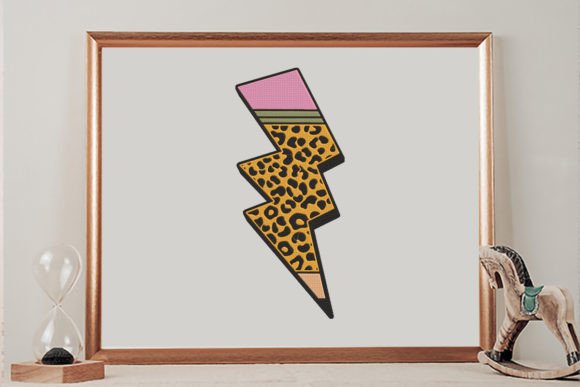
Leopard Print Lightning Pencil: A Craft Fair Review
As an experienced embroidery designer preparing for the upcoming weekend craft fair season, I constantly evaluate new digital assets to determine their commercial viability. When reviewing the Leopard Print Lightning Shape Pencil, my immediate assessment is that this design bridges the gap between trendy aesthetic and functional novelty. It does not read as strictly juvenile; rather, it possesses a modern, whimsical charm that appeals to teachers, students, and stationery enthusiasts alike. For handmade shop owners and Etsy sellers, this specific combination of animal print texture with a scholastic symbol creates a unique visual hook that stands out in a saturated Back To School market.
First Impressions and Booth Appeal
When setting up a table display, you have mere seconds to capture a passerby's attention. The Leopard Print Lightning Shape Pencil succeeds because it offers high contrast and recognizable silhouette. From a distance, the lightning bolt shape provides a bold geometric outline, while the leopard fill adds intricate texture that invites closer inspection. This duality is crucial for booth engagement. Customers often stop for the shape but buy for the detail. In person, this design feels playful yet polished, avoiding the cheap or cartoonish look that can sometimes plague novelty embroidery. It strikes a balance that works well for boutique makers aiming for a premium handmade product feel.
Best Selling Applications for Market Day
Not every machine embroidery design translates equally across all blanks. Based on production testing and market trends, here is how this design performs on specific craft fair products:
- Tote Bag Design: This is arguably the strongest application. Canvas tote bags provide a stable, flat surface that supports the stitch density required for the leopard pattern. Placing the pencil centrally or as a repeating border creates an instant bestseller for teachers carrying supplies or students heading to campus.
- Tea Towel Embroidery: Flour sack towels are excellent for this motif. The vertical orientation of the pencil complements the towel’s dimensions. However, ensure the fabric texture is smooth enough to prevent the leopard spots from getting lost in the weave.
- Embroidered Patch: Creating standalone patches allows customers to customize their own denim jackets or backpacks without committing to a full garment. The distinct outline of the lightning pencil makes for clean merrowed edges and easy cutting.
- Apron Embroidery: For art teachers or crafters, this design adds personality to utility wear. Positioning it on the chest pocket area keeps the design visible and serves as a great conversation starter at markets.
- Fabric Pouches and Zipper Bags: Small cosmetic or pencil cases benefit from this design as a focal point. Because the shape is elongated, it fits perfectly on narrow panels where circular designs might waste space.
Production Practicality and Batch Efficiency
For commercial embroidery and small shop product lines, time is money. The Leopard Print Lightning Shape Pencil is highly efficient for batch production. Unlike complex scenic designs that require frequent thread changes, this motif typically utilizes limited thread colors, reducing run time and increasing profit margins per hoop. The shape is also versatile regarding hoop size; it can likely be resized within reasonable limits without distorting the leopard pattern, allowing you to offer multiple product variations from a single embroidery file.
From a photography standpoint, this design photographs exceptionally well for printable mockups and online listings. The high-contrast nature of leopard print against solid fabric backgrounds ensures the design pops in thumbnail images on Etsy or social media. This visual clarity reduces customer hesitation when buying finished products online, as the detail remains visible even on mobile screens.
Critical Technical Considerations
While the design is versatile, professional execution requires attention to technical details. As you prepare your digital embroidery file for production, keep these cautions in mind:
- Stitch Density on Textured Fabrics: Leopard print relies on negative space and contrasting fills. If stitching on terry cloth towels or thick canvas, the texture may swallow the smaller spot details. Always use appropriate stabilizer and consider a water-soluble topping to keep stitches crisp on top of the fabric pile.
- Curved Surfaces: While this looks great on caps, the curved surface of a hat can distort straight lines. Test the lightning bolt shape on a curved cap frame first to ensure the pencil doesn't appear bent or warped in the final embroidered patch or finished product.
- Small Lettering and Details: If the design includes any text elements alongside the pencil, verify legibility at smaller sizes. Tiny details in leopard patterns can merge into a solid blob if scaled down too aggressively. Always check the minimum recommended size in your design assets documentation.
- Thread Contrast: The success of this design hinges entirely on contrast. Using similar shades for the base and the spots will render the design invisible. Test thread colors on scrap fabric before running a full production batch to ensure the leopard pattern reads clearly from three feet away.
Enhancing Brand Value and Customer Engagement
Incorporating the Leopard Print Lightning Shape Pencil into your inventory signals that your brand is current and responsive to trends. For creative entrepreneurs, staying relevant is key to repeat business. This design moves beyond generic school supplies, offering a fashion-forward take on academic themes. When displayed at a craft fair, grouping items featuring this design creates a cohesive collection rather than a scattered assortment. This merchandising strategy increases perceived value and encourages multi-item purchases.
Furthermore, this design serves as an excellent anchor for custom orders. Because it is distinctive yet simple, customers can easily visualize it in different colorways or placements. Offering personalization options, such as adding a name beneath the pencil or changing the leopard colors to match school mascots, transforms a standard machine embroidery design into a bespoke service. This flexibility is what separates successful handmade businesses from mass producers.
Designer Notes for Pre-Market Prep
Before listing this item or packing your booth bins, complete this essential checklist to ensure professional quality:
- Verify Licensing: Confirm the commercial licensing terms included with your digital embroidery file. Ensure you have the right to sell finished products derived from this design, especially if operating under a specific brand name.
- Create Real Mockups: Do not rely solely on software renderings. Stitch out at least one physical sample on your intended blank. Photograph this real sample for your Etsy listings to build trust with buyers who want to see actual stitch texture.
- Check Hoop Compatibility: Measure the design dimensions against your available hoops. Avoid using a hoop significantly larger than the design, as this can lead to stabilization issues and fabric shifting during the stitch-out.
- Test Wash Durability: If selling tea towel embroidery or apparel, wash and dry your test sample. Leopard print fills can sometimes pucker or pull after laundering if the tension was too tight or the stabilizer was insufficient. Adjust your settings now to avoid returns later.
- Review Spacing: If planning a repeating pattern for a tote bag design, print a paper template at actual size to verify spacing before hooping. Visualizing the layout prevents costly mistakes on expensive blanks.
The Leopard Print Lightning Shape Pencil represents a smart investment for embroidery business owners targeting the Back To School niche without sacrificing year-round appeal. Its blend of bold geometry and textured detail makes it a reliable performer for both digital sellers and physical market vendors. By respecting the technical requirements of stitch density and fabric choice, you can turn this whimsical accent into a profitable staple of your handmade product lineup. Remember, successful craft fair selling is about matching the right design to the right product with flawless execution. With proper preparation, this design has the potential to become a signature piece in your seasonal collection.