Funny Letter R: A Craft Fair Embroidery Review
As an experienced embroidery designer preparing for a busy weekend craft fair, I approach every new machine embroidery design with a critical eye. It is not enough for a file to simply stitch out correctly on screen; it must translate into a profitable craft fair product that catches the attention of shoppers walking past a crowded booth. When evaluating the Funny Letter R design for my upcoming market table, I am looking at more than just adorable charm. I am assessing its commercial viability, production efficiency, and shelf appeal across various handmade products. Whether you are an Etsy seller, a boutique maker, or a vendor setting up a physical display, understanding how this specific alphabet asset performs in real-world scenarios is essential for maximizing your return on investment.
First Impressions and Booth Appeal
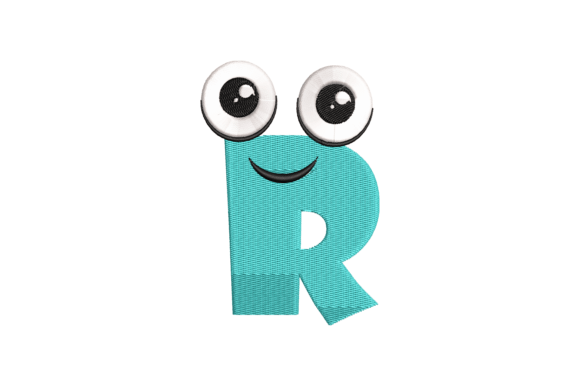
The first impression of Funny Letter R is undeniably playful yet versatile. While categorized under Back To School, the aesthetic transcends seasonal trends, making it a viable option for year-round sales. The design strikes a balance between novelty and readability. In a booth setting, customers often scan tables quickly. This letter has enough visual weight to act as a focal point without appearing cluttered. It feels modern and approachable rather than overly juvenile, which expands the target demographic from parents shopping for kids to adults looking for whimsical home decor or personalized accessories.
For a small shop product lineup, this character offers immediate recognition. The "funny" aspect implies personality—perhaps exaggerated proportions, expressive eyes, or unique styling—that differentiates it from standard block letters. This distinction is crucial when competing against mass-produced goods. As a designer, I see this as a high-potential asset for creating cohesive collections where the humor acts as the hook, drawing customers in to explore other items on the table.
Best Performing Products for Market Sales
Not every substrate showcases a novelty letter equally. Based on my experience with similar design assets, Funny Letter R will perform best on specific items that allow its personality to shine. Here is my evaluation of where to apply this embroidery file for maximum sales potential:
- Tote Bag Design: Canvas totes are a staple at markets. Placing Funny Letter R centrally on a natural or white cotton tote creates a high-contrast, readable statement piece. The fabric texture supports detailed stitching, and the flat surface ensures no distortion during hooping.
- Tea Towel Embroidery: Kitchen linens are high-volume sellers. This letter works beautifully as a monogram alternative or a standalone decorative element in the bottom corner. The smooth weave of flour sack towels allows for crisp edges, making the humor legible even from a distance.
- Apron Embroidery: For culinary-themed gifts, placing this letter over the heart or on a pocket adds a bespoke touch. Aprons sell well because they are functional gifts; adding a funny, relatable letter increases perceived value and emotional connection.
- Embroidered Patch: Creating standalone patches is an excellent way to utilize scrap fabric and offer a lower price-point impulse buy. Funny Letter R can be turned into iron-on or sew-on patches that customers can customize their own jackets or bags later.
- Fabric Pouches and Zipper Bags: Small zipper pouches are perfect for showcasing a single large letter. These serve as excellent "add-on" items at checkout or fillers for gift baskets.
Production Practicality and Batch Efficiency
When preparing for a market, time is money. I evaluate Funny Letter R based on how easily it fits into a batch production workflow. A major advantage of single-letter designs is the ability to gang multiple hoops or re-hoop quickly without complex alignment. If the design size is consistent, I can run a series of tea towels or pouches back-to-back with minimal downtime.
From a photography standpoint, this design is highly photogenic. Single letters photograph cleanly for printable mockups and online listings. Unlike complex scenes that require elaborate staging, Funny Letter R looks professional against simple backgrounds. This makes it easier to maintain brand consistency across your Etsy shop and social media feeds. However, ensure you create at least one real-life sample photo. Digital mockups are useful, but craft fair customers want to see actual thread colors and texture before buying.
Critical Technical Considerations for Quality
While the concept is strong, execution determines whether a product sells or ends up in the reject pile. As a professional, I must flag several technical areas where caution is required when stitching out Funny Letter R:
- Stitch Density and Fabric Texture: Novelty letters often contain fill stitches that can become dense. On textured fabrics like terry cloth or waffle weave, these details can get lost. Always use an appropriate water-soluble topping to keep stitches above the nap. If the design is too dense for lightweight fabrics, it may cause puckering or tearing.
- Small Details and Clarity: If Funny Letter R includes facial features or thin outlines, verify they remain distinct at smaller sizes. Scaling down a complex design often results in thread breaks or muddy details. Test the minimum viable size before committing to a production run of small patches or baby bibs.
- Curved Surfaces: Stitching on caps requires specialized digitizing. Do not assume a flat-design file will wrap correctly around a curved cap brim without distortion. If the file is not specifically optimized for 3D puff or curved surfaces, stick to flat substrates to avoid registration errors.
- Thread Contrast: Humor relies on visibility. Avoid stitching dark thread on dark fabric unless you are using metallic or high-sheen rayon threads to create definition. Low contrast kills the visual impact of a funny design.
Designer Notes for Commercial Success
Before listing any finished product derived from Funny Letter R, conduct a thorough pre-production checklist. Never skip the test stitch-out on the exact fabric and stabilizer combination you intend to sell. Check your hoop size requirements to ensure you aren't wasting stabilizer on excessive margins. Review the spacing if combining this letter with names or dates; novelty letters often have irregular bounding boxes that require manual kerning adjustments.
Crucially, confirm the licensing terms of the digital embroidery file. Just because you purchased the design does not automatically grant unlimited commercial embroidery rights for finished goods. Verify if there are limits on the number of physical items you can sell or if attribution is required. Respecting intellectual property protects your business reputation.
Finally, consider the narrative. When selling at a craft fair, tell the customer why this letter matters. Is it for a teacher named Rachel? A student returning to school? A baker who loves recipes starting with R? Connecting the Funny Letter R to a personal story transforms a simple embroidered item into a cherished keepsake. By combining technical precision with strategic product placement, this design can become a reliable bestseller in your handmade inventory.