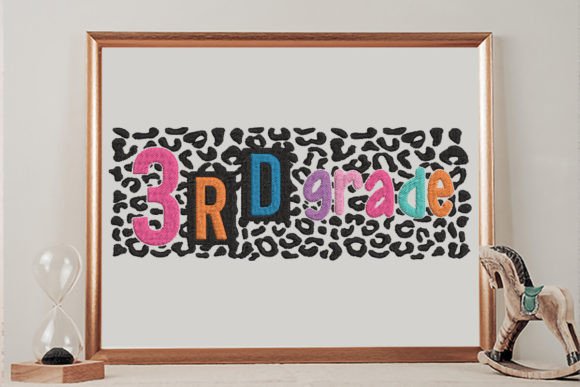
3rd Grade Leopard: A Craft Fair Seller's Review
As an embroidery designer preparing for a weekend craft fair, I approach every new digitization file with a critical eye. It is not enough for a design to look good on a computer screen; it must translate into a tangible product that catches the attention of shoppers walking past a booth. When evaluating the 3rd Grade Leopard machine embroidery design, my primary focus is on its commercial viability for handmade sellers, Etsy shop owners, and boutique makers. This review breaks down how this specific design performs in real-world production scenarios, from stitch-out testing to final display strategy.
First Impressions: Whimsy Meets Back To School Appeal
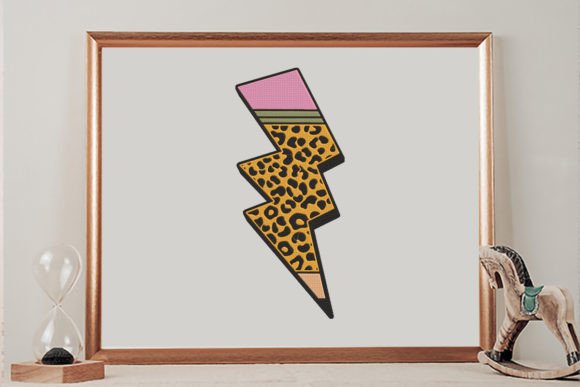
The immediate impression of 3rd Grade Leopard is a blend of youthful energy and trendy aesthetics. In the current market, animal motifs remain a staple, but the "leopard" element adds a layer of modern whimsy that separates it from generic school designs. For a craft fair table, this design strikes a balance between cute and cool. It avoids being overly juvenile, which expands the potential customer base beyond just parents of third graders. The description promises a "fun and whimsical accent," and visually, this suggests a style that leans toward playful rather than rigid or traditional.
For digital sellers and creative entrepreneurs, this aesthetic is crucial. Shoppers at handmade markets are often looking for items that feel unique and personalized. A leopard motif associated with a specific grade level taps into the sentimental value of milestones while maintaining a fashionable edge. Whether your brand identity is farmhouse chic, bright and bold, or soft and minimal, this design has enough character to serve as a focal point without clashing with established shop themes.
Best Product Applications for Market Sales
Determining where to stitch 3rd Grade Leopard is just as important as the design itself. Based on the versatility described, here is how I would prioritize products for a physical booth and online listings:
- Tote Bags and Market Bags: This is likely your highest conversion item. Canvas tote bags provide a stable, flat surface that showcases the design clearly. As a tote bag design, the leopard motif acts as a conversation starter for parents and teachers shopping at the fair.
- Tea Towels and Kitchen Linens: Tea towel embroidery is a craft fair staple. The whimsical nature of this design elevates a standard kitchen towel into a giftable keepsake. It works exceptionally well for "Back To School" gift bundles aimed at teacher appreciation.
- Aprons: For baking or crafting enthusiasts, apron embroidery adds significant perceived value. The design serves as a charming chest or pocket accent that feels custom-made rather than mass-produced.
- Patches and Caps: If you have the capability for curved hooping or patch-making, this design can be adapted into wearable merchandise. However, ensure the details remain legible at smaller sizes before committing to batch production.
- Fabric Pouches and Pillow Covers: These items allow for larger hoop sizes, giving the design room to breathe. They function as excellent "booth samples" to demonstrate stitch quality and thread color choices.
Production Practicalities and Stitch Performance
From a production standpoint, a craft fair product must be efficient to manufacture. When reviewing the 3rd Grade Leopard embroidery file, consider the stitch density and run time. Designs that are too dense can cause puckering on lighter fabrics like tea towels, while designs that are too sparse may lack durability on high-wear items like tote bags. Since specific technical specs are not provided in the description, you must verify the stitch count and recommended hoop size before purchasing or stitching.
Batch production is key for small shop success. Ask yourself: Can I hoop three towels at once with this design? Does the color change sequence allow for efficient threading? If the design requires excessive trimming or complex stabilizer changes, it may eat into your profit margins during a busy market weekend. Ideally, this design should be repeatable across different substrates with minimal adjustment, allowing you to stock a cohesive collection of finished products.
Critical Use Notes for Professional Results
Even the most beautiful digital embroidery file can fail if applied incorrectly. Keep these cautions in mind when working with 3rd Grade Leopard:
- Fabric Texture Matters: Leopard prints often involve intricate fills or textured stitches. On highly textured fabrics like terry cloth towels, use a water-soluble topping to prevent stitches from sinking into the pile. Without this, the whimsical details will be lost.
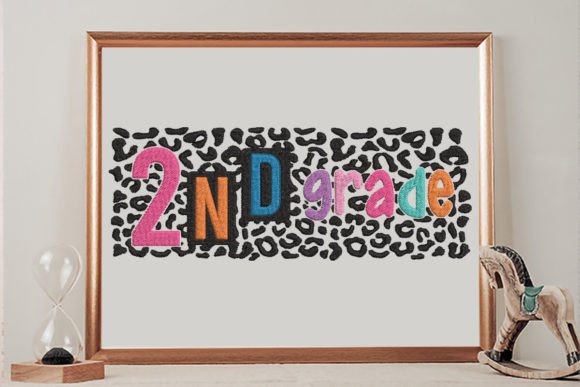
- Small Lettering Clarity: If the design includes "3rd Grade" text, test the legibility first. Small lettering is the most common failure point in commercial embroidery. If the letters merge or become unreadable on your chosen fabric, resize the design or switch to a blockier font variation.
- Stabilizer Selection: Do not rely solely on tear-away stabilizer for stretchy knits or dark fabrics. Use a cut-away stabilizer for t-shirts to prevent distortion after washing. For caps, ensure you are using a cap-specific backing to maintain the curve.
- Thread Contrast: Leopard designs often utilize multiple shades of brown, tan, and black. Test your thread colors against your fabric choice. Low contrast between the thread and fabric will make the design disappear in photos and from a distance at a booth.
Visual Merchandising and Online Presentation
How you present 3rd Grade Leopard determines its sales potential. At a craft fair, visual appeal drives foot traffic. Display embroidered samples at eye level. Use natural lighting whenever possible to show off the sheen of the threads. Group items by theme—place the tote bags next to the matching pouches to encourage multi-item purchases.
For Etsy sellers and digital vendors, photography is everything. Create at least one real mockup alongside your digital previews. Customers need to see how the design interacts with fabric grain and folds. A flat-lay photo of an embroidered apron tells a better story than a digital render alone. When listing design assets, clearly state the intended use cases mentioned in the description to help buyers visualize the end result. Highlight keywords like "whimsical," "back to school," and "teacher gift" to improve search visibility.
Designer’s Checklist Before Selling
Before adding 3rd Grade Leopard to your inventory, complete this professional verification process:
- Test Stitch-Out: Never sell a product without stitching it first. Use scrap fabric similar to your final product to check tension and registration.
- Verify Licensing: Confirm whether the embroidery file allows for commercial use on finished goods. Some licenses restrict the number of physical items you can sell or prohibit selling the digital file itself.
- Check Dimensions: Measure the actual stitched size. Ensure it fits within the safe embroidery area of your target products, accounting for seams and hems.
- Wash Test: If selling apparel or linens, wash and dry your sample. Check for shrinkage, thread breakage, or stabilizer residue. Your reputation as a handmade product seller depends on longevity.
- Mockup Validation: Compare your printable mockup to the real stitch-out. Adjust colors or placement in your listing photos to ensure they accurately represent the physical item.
Ultimately, 3rd Grade Leopard offers strong potential for the back-to-school season and beyond. Its blend of charm and trendiness makes it a versatile asset for embroidery businesses. By focusing on practical application, rigorous testing, and strategic merchandising, you can transform this digital design into a best-selling staple for your craft fair booth or online shop. Always prioritize quality and clarity to ensure your handmade products stand out in a crowded marketplace.