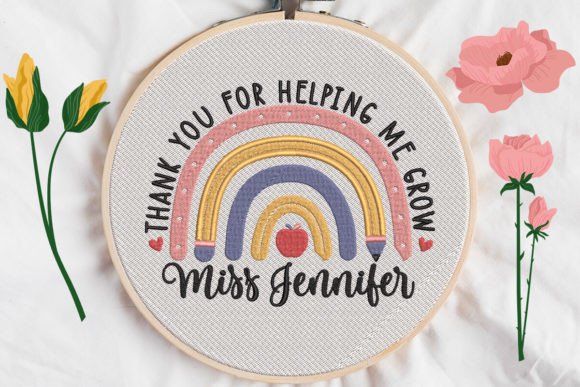
Thank You for Helping Me Grow: A Stitch Test
As a professional embroidery designer and product reviewer, I approach every new machine embroidery design with a critical eye. It is not enough for a digital file to look appealing on a screen; it must perform under the needle and hold up in the real world. When evaluating "Thank You for Helping Me Grow," I am looking beyond the sentimental teacher quote to assess its structural integrity, versatility, and commercial viability for fellow makers. This review breaks down how this design translates from a digital embroidery file to a tangible, high-quality finished product.
First Impressions and Visual Personality
Upon loading the embroidery file, the immediate impression is one of warmth and organic structure. The phrase "Thank You for Helping Me Grow" naturally suggests botanical elements or soft typography, creating a mood that is appreciative rather than strictly academic. For those of us in the Back To School niche, this design offers a refreshing alternative to standard apple-and-pencil motifs. It feels more personal, making it ideal for end-of-year gifts or teacher appreciation events.
The layout appears balanced for center-chest placement on custom apparel or as a focal point on home decor. However, visual appeal on a monitor does not guarantee stitch clarity. I immediately checked the interplay between text and decorative elements. If the design utilizes a mix of satin stitch for lettering and fill stitch for floral accents, the transition points are where registration issues often occur. A well-digitized version of this theme should have adequate pull compensation to prevent gaps when stitched on stretchy fabrics like jersey knits used in t-shirts and sweatshirts.
Real-World Application: The Canvas Tote Bag Test
To truly evaluate this design, I mentally simulated a specific production scenario: creating a personalized tote bag design for a retiring educator. Canvas is a stable fabric, but it has a distinct fabric texture that can swallow fine details. In this context, "Thank You for Helping Me Grow" needs sufficient density to stand out against the weave without becoming bulletproof or stiff.
If the design includes an applique design element—perhaps a leaf or flower shape—it would significantly reduce stitch count while adding tactile interest. For a handmade product intended for daily use, applique is often superior to full-fill stitching because it remains flexible. However, if the design is entirely stitched, I would verify that the stitch density is appropriate for canvas. Too sparse, and the fabric shows through; too dense, and the bag becomes rigid at the embroidery site.
For my Etsy shop clients requesting this specific sentiment, I would pair the design with natural cotton thread colors rather than high-sheen polyester. This aesthetic choice aligns with the organic "growth" theme and elevates the perceived value of the personalized gift. Customers respond better to matte finishes on teacher gifts as they feel more authentic and less mass-produced.
Navigating Fabric Challenges and Hoop Sizes
Versatility is key for any commercial embroidery asset, but "Thank You for Helping Me Grow" requires careful consideration regarding substrate selection. While it likely shines on woven cottons and linens for pillow covers and tea towels, caution is necessary for other applications.
- Stretchy Knits: When applying this to sweatshirt embroidery or baby onesies, a cutaway stabilizer is non-negotiable. The phrase implies movement and growth, so the embroidery must move with the garment. If the design is too dense, it will pucker the knit fabric, ruining the drape.
- Sheer Fabrics: For nursery decor or lightweight curtains, check if the design has excessive jump stitches or heavy backing requirements. A complex design on organza or voile can look messy from the reverse side.
- Caps and Curved Surfaces: Unless specifically digitized for caps, avoid using this centered quote on structured hats. The curvature distorts horizontal text lines, potentially making "Helping Me Grow" illegible or visually warped.
- Small Hoop Sizes: If you are working with a 4x4 hoop, ensure the design scales down without losing legibility. Tiny serif fonts or intricate vine work may turn into thread blobs at smaller sizes. Always verify the minimum recommended size before purchasing.
Commercial Viability for Makers and Sellers
For Etsy sellers and small business owners, this design serves as a strong anchor for seasonal inventory. Beyond the obvious teacher market, consider repurposing "Thank You for Helping Me Grow" for mentorship programs, gardening clubs, or even new parent gifts. The ambiguity of "growth" allows for cross-niche marketing, maximizing the return on your design assets.
When creating printable mockups or listing photos, presentation matters. Do not rely solely on digital renders. Stitch out a sample on the actual small shop product you intend to sell. Photographing the texture of the embroidery project builds customer trust far better than a flat vector image. Buyers want to see how the thread colors interact with the fabric grain and whether the design lies flat.
Furthermore, consider the washability factor. Teacher tote bags and apparel undergo frequent laundering. Ensure the design holds up after washing. If you notice fraying or loose threads in your test stitch-out, adjust the tension or add a topping stabilizer before listing the item. Professionalism in craft business is defined by durability, not just aesthetics.
Essential Designer Notes Before You Stitch
Before committing this design to a final embroidered patch, garment, or piece of wall art, adhere to these professional best practices:
- Verify Specifications: Confirm the exact stitch count, dimensions, and included formats. Since product descriptions vary, never assume compatibility with your specific machine or hoop size without checking the technical data first.
- Test on Scrap Fabric: Always run a test stitch on material similar to your final project. Check for registration errors between color changes and ensure the satin stitch edges are smooth.
- Contrast Check: Test the design in both black-and-white and color mockups. Ensure the text remains readable against dark fabrics. You may need to add a white underlay or outline if stitching on navy or charcoal garments.
- Licensing Review: Crucially, confirm the license terms. Verify whether you have rights to sell finished physical products, use the design for holiday embroidery collections, or if there are restrictions on digital redistribution.
- Color Mapping: Review the included color chart but trust your own judgment. Manufacturer thread charts differ; select thread colors that match your brand palette and the specific fabric tone you are using.
Final Thoughts on Quality and Execution
"Thank You for Helping Me Grow" is more than just a seasonal slogan; it is a versatile embroidery asset with significant potential for meaningful, high-value projects. Whether you are crafting a bespoke gift for a beloved educator or expanding your boutique’s back-to-school collection, success lies in technical execution. By respecting fabric limitations, testing thoroughly, and presenting your work professionally, you transform a simple digital file into a cherished keepsake. Remember, in the world of machine embroidery, the difference between a hobbyist result and a professional handmade product is always found in the preparation and attention to detail.