Teacher of Tiny Humans: A Stitcher’s Review
As an embroidery designer and product reviewer, I have stitched out countless files that claim to be "cute" or "whimsical," only to find they lack the structural integrity needed for a professional finished product. When evaluating the Teacher of Tiny Humans machine embroidery design, my primary focus is not just on the digital preview, but on how this artwork translates from screen to fabric. For those of us running a craft business, managing an Etsy shop, or creating personalized gifts for educators, this design sits squarely in the popular Back To School category. However, its utility extends far beyond August and September. My assessment below breaks down the practical realities of stitching this design, ensuring your time at the machine yields sellable, durable, and charming results.
First Impressions and Visual Personality
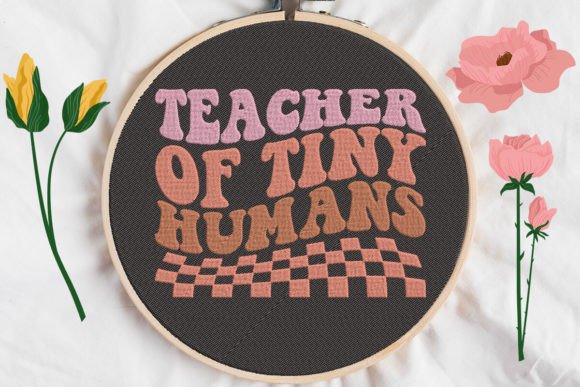
Upon loading the embroidery file into my software, the immediate impression of Teacher of Tiny Humans is one of balanced playfulness. The typography and iconography strike a necessary chord between humor and respect. In the world of teacher appreciation merchandise, designs can sometimes veer too far into caricature or become overly sentimental. This design avoids both pitfalls. The layout suggests a confident use of negative space, which is crucial when you are working with varied fabric texture. Visually, it feels like a design that belongs on a relaxed-fit sweatshirt or a canvas tote bag rather than a stiff, formal garment. The personality is warm and approachable, making it an excellent candidate for boutique branding or small shop products that target parents and educators alike.
Real-World Application: The Custom Tote Bag Test
To truly evaluate this design, I mentally placed it in a specific production scenario: creating a custom canvas tote bag for a teacher appreciation event. Tote bags are a staple Etsy seller item, but they present unique challenges due to the coarse weave of canvas and the potential for puckering. Teacher of Tiny Humans appears well-suited for this application because the motif likely relies on clear shapes rather than microscopic details that would get lost in the canvas grain.
When stitching this as a tote bag design, the placement is key. Center-chest or upper-center placement works best here. If you are using this for commercial embroidery, consider how the design interacts with the bag's seams and handles. The whimsical nature of the artwork allows for some flexibility in placement; it does not demand perfect geometric centering in the same way a corporate logo might. This forgiving layout is a massive asset for makers producing batches of holiday embroidery items or end-of-year gifts where speed and consistency matter. Furthermore, if you are selling digital assets or printable mockups to other crafters, this design’s distinct silhouette will read clearly even in low-resolution previews, helping drive buyer engagement.
Fabric Compatibility and Stabilizer Strategy
While the description suggests versatility across t-shirts, towels, and home decor, my experience dictates that you must adjust your approach based on the substrate. Teacher of Tiny Humans will perform differently on a knit t-shirt versus a woven tea towel.
- Stretchy Knits and Sweatshirts: For sweatshirt embroidery or custom apparel on jersey knits, the stability of the design is paramount. You must use a high-quality cut-away stabilizer to prevent the fabric from pulling away from the stitches over time. Check the stitch density before running; if the design has heavy fill stitch areas, consider using a water-soluble topping to keep the stitches from sinking into the fleece or jersey.
- Towels and Textured Fabrics: When applying this to kitchen towels or terry cloth, the pile of the fabric can obscure fine running stitch details. Use a heavy-weight tear-away or wash-away stabilizer and always employ a topping. This ensures the whimsical accents remain crisp and legible after washing.
- Baby Items and Delicates: If adapting this for baby embroidery (perhaps for a daycare provider gift), ensure the back of the stitching is smooth. Avoid excessive jump stitches that could snag tiny fingers. Using a soft mesh cut-away stabilizer is often best for onesies to maintain drape without adding bulk.
Technical Considerations for Professional Results
A beautiful design can fail if technical parameters are ignored. Before committing Teacher of Tiny Humans to a final project, verify your hoop size compatibility. Designs in this category often push the boundaries of standard 4x4 hoops. If you are resizing, do so within your machine’s recommended limits to avoid distorting the stitch angles. Resizing a satin stitch border by more than 10-15% can lead to thread breaks or poor coverage.
Pay close attention to thread colors and contrast. Whimsical designs often rely on color blocking to define shapes. Test the design in black and white mockups first; if the design loses its readability without color, it may struggle on dark fabrics where contrast is naturally lower. For dark garments, verify if the digitizer included an underlay specifically for light-colored threads on dark backgrounds. If not, you may need to add a white underlay manually to prevent the fabric color from bleeding through the top stitches.
For those creating an embroidered patch, check the border definition. Does the design have a clean edge suitable for cutting out, or will it require a merrowed edge finish? Not all machine embroidery designs are digitized with patch-making in mind, so inspect the perimeter stitches closely in your editing software.
Commercial Viability and Brand Consistency
For creative entrepreneurs and handmade shop owners, Teacher of Tiny Humans offers strong commercial potential, provided you respect licensing terms. Always confirm whether your purchase includes commercial rights for finished physical products versus digital redistribution. Assuming you have the correct license, this design supports brand consistency well. Its aesthetic aligns with current trends in teacher merch—moving away from apples and chalkboards toward modern, relatable humor.
This design also enhances perceived product value. A well-stitched, properly stabilized design signals professionalism. Customers trust sellers who understand that a cute concept must also be a durable product. Whether you are listing a personalized gift on Etsy or stocking shelves for a local craft fair, the clarity of the stitching directly impacts buyer confidence. Avoid using this design on items that undergo extreme abrasion unless you have tested its longevity; while great for apparel and decor, high-friction areas might degrade detailed fill stitches faster than simpler run-stitch motifs.
Designer Notes for Success
Before launching this design into your production queue, adhere to these practical checkpoints:
- Always Test Stitch: Never assume a digital file is perfect for your specific machine and fabric combination. Run a test on scrap fabric identical to your final project.
- Inspect Small Details: Zoom in to 400% in your software. Are there tiny text elements below 4mm? These may not stitch out clearly on textured fabrics and might need to be removed or enlarged.
- Check Jump Stitch Paths: Efficient digitizing minimizes trims. Review the stitch sequence to ensure the machine isn’t making unnecessary jumps across open spaces, which wastes time and thread.
- Validate Licensing: Re-read the terms of use. Ensure you are compliant regarding the number of physical items you can sell or if attribution is required.
- Mockup Realistically: When creating listings, use photos of actual stitched samples whenever possible. Digital renderings often look flatter and more perfect than reality. Showing the real texture builds trust with fellow makers and customers.
Teacher of Tiny Humans is a delightful addition to any embroiderer’s library, offering a fresh take on educational themes. By approaching it with technical diligence and an eye for real-world application, you can transform this digital art into tangible, cherished goods that celebrate educators with the quality they deserve. Whether for a single heartfelt gift or a seasonal product line, success lies in the details of execution.