Schoolhouse Mini Embroidery: A Designer's Review
As an embroidery designer who frequently sources assets for commercial projects, I approach every new machine embroidery design with a critical eye. When browsing the Back To School category on Creative Fabrica, the Schoolhouse Mini Embroidery caught my attention not just for its nostalgic charm, but for its specific technical description. The note that "some of the outlines become bean or stem stitch" suggests a level of digitizing intentionality that separates professional files from generic auto-digitized art. After evaluating this design for potential use in real-world handmade products, here is my honest assessment of how it performs beyond the digital preview.
First Impressions and Digitizing Quality
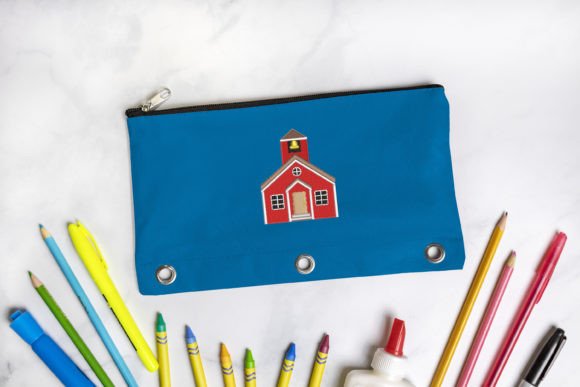
The visual mood of the Schoolhouse Mini Embroidery is distinctly vintage and warm. It avoids the overly cartoonish aesthetic that plagues many school-themed designs, making it suitable for a broader demographic ranging from kindergarten celebrations to adult teacher appreciation gifts. From a technical standpoint, the inclusion of bean and stem stitches for outlines is a significant advantage. Unlike standard satin stitch borders which can sometimes look rigid or plasticky on small designs, bean stitches offer a textured, hand-embroidered appearance. This texture adds perceived value to a finished product, making it feel more like a boutique item and less like mass-produced merchandise.
For designers reviewing this embroidery file, the immediate question is scalability. Because this is marketed as a "mini" design, the digitizer has likely optimized the pathing for smaller hoop sizes. This is crucial for projects like shirt pockets, baby bibs, or sleeve cuffs where space is limited. However, users must verify the exact dimensions in the product details before purchasing, as "mini" can vary between creators. The balance between the fill areas and the decorative outline stitches appears well-calibrated to prevent puckering on lighter fabrics, provided the correct stabilizer is used.
Real-World Application: Apparel and Accessories
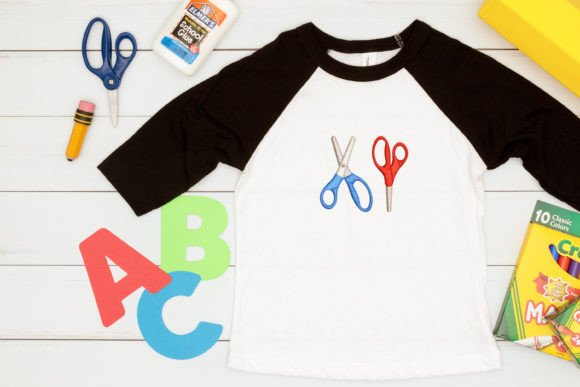
I evaluated this design specifically for a custom apparel order targeting the "100 Days of School" milestone. For sweatshirt embroidery, the Schoolhouse Mini Embroidery serves as an excellent left-chest placement. The mix of stitch types allows the design to sit flat against fleece or French terry fabric without creating a stiff, bulletproof patch effect. When stitching on stretchy knits, I recommend using a cut-away stabilizer to maintain registration between the fill sections and the bean stitch outlines. The design’s compact nature means it does not overwhelm the garment, preserving the wearer's comfort.
For tote bag design applications, particularly on canvas or linen, this file shines. The old-fashioned schoolhouse motif pairs beautifully with natural fiber textures. Because some outlines utilize running or stem stitches, the design integrates organically with the weave of the fabric rather than sitting entirely on top of it. This makes it ideal for reusable school bags or teacher market totes. If you are producing commercial embroidery items for craft fairs, this design offers high versatility; it can be centered on a pocket, placed near the bottom hem, or even used as a repeating border element if your machine supports multi-positioning.
Nursery Decor and Heirloom Projects
Beyond apparel, this Creative Fabrica embroidery asset is highly relevant for nursery decor and baby items. The softness of the bean stitch outlines makes it safe and comfortable for baby blankets and burp cloths, avoiding the scratchiness of dense satin borders. For a personalized gift, such as a "First Day of School" keepsake pillow, the design provides enough visual interest to stand alone while leaving ample negative space for adding a child's name or date. When working on plush fabrics like minky or velvet, always test the stitch density first; you may need to add a water-soluble topping to ensure the fine details of the schoolhouse windows and door do not get lost in the pile.
Technical Considerations for Small Business Owners
For Etsy sellers and small business owners, consistency is key to building buyer trust. Before listing any item featuring the Schoolhouse Mini Embroidery, you must conduct thorough testing. Do not rely solely on the software simulation. Stitch out the design on scrap fabric that matches your intended production material. Pay close attention to the transition points where the fill stitch meets the bean stitch outline. If there is gaps or misalignment, adjust your hoop tension or try a different stabilizer combination. High-quality product photography depends on crisp stitching; blurry or poorly registered embroidery in listing photos will deter customers regardless of how good the digital file looks.
When creating printable mockups or digital listings, ensure you represent the texture accurately. Since this design features specialized outline stitches, flat vector mockups may be misleading. Photographing a physical sample is always superior for conveying the tactile quality of the bean and stem stitches. This transparency reduces return rates and increases customer satisfaction. Additionally, consider how thread colors impact the final look. While the product images may show traditional red and white, testing alternative colorways (such as muted sage, navy, or mustard) can expand your product line to match modern nursery trends or specific school branding guidelines.
Licensing and Commercial Viability
A critical aspect of using any digital embroidery file from Creative Fabrica is understanding the licensing terms. Before selling finished products featuring the Schoolhouse Mini Embroidery, review the specific license included with the download. Confirm whether commercial use for physical goods is permitted and if there are any limitations on production quantity. Never assume rights; always verify. Respecting intellectual property protects your business and supports the original digitizer. Furthermore, check the file formats included to ensure compatibility with your specific machine brand. While most designers provide universal formats like PES, DST, and JEF, confirming this beforehand prevents workflow interruptions during rush seasons like back-to-school.
Maximizing Value Through Presentation
The true value of this applique design or mini embroidery lies in how you present it. Because the design evokes nostalgia, it pairs exceptionally well with vintage-style packaging, kraft paper tags, and twine. This cohesive presentation elevates the handmade product from a simple embroidered item to a curated gift experience. For those selling at craft fairs, displaying the design on varied substrates—a denim apron, a cotton tea towel, and a structured cap—demonstrates its versatility to potential buyers. The bean stitch detail is a selling point that should be highlighted in your product descriptions; explain to customers that this technique mimics hand-stitching, justifying a higher price point than standard machine embroidery.
Ultimately, the Schoolhouse Mini Embroidery represents a solid investment for designers seeking quality Back To School assets. Its thoughtful digitizing, characterized by the strategic use of bean and stem stitches, addresses common pain points associated with small-scale embroidery. By respecting the technical requirements of stabilizer selection, fabric testing, and proper licensing, creative entrepreneurs can transform this digital file into profitable, cherished physical goods. Whether for a 100-day celebration, a teacher gift, or a seasonal collection, this design offers the professional finish necessary to build a reputable embroidery brand.