Preschool Rainbow: A Designer’s Stitch-Out Review
When evaluating a new machine embroidery design for my production lineup, I look beyond the digital preview. The screen tells me what the digitizer intended, but only a physical stitch-out reveals how the embroidery file actually behaves under the needle. As someone who manages both custom client orders and a small shop inventory, I approached the Preschool Rainbow design with a critical eye toward versatility and durability. This isn't just about cute aesthetics; it is about whether this design can withstand the rigors of real-world use while maintaining professional quality.
First Impressions and Visual Personality
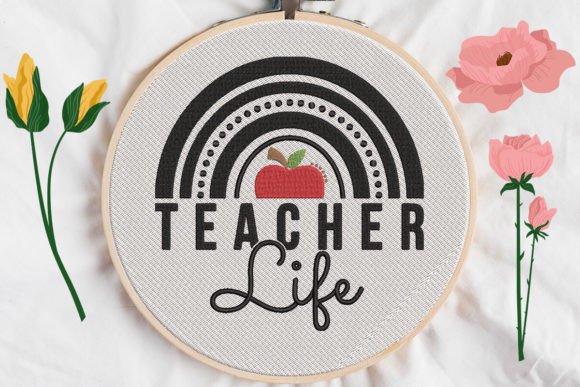
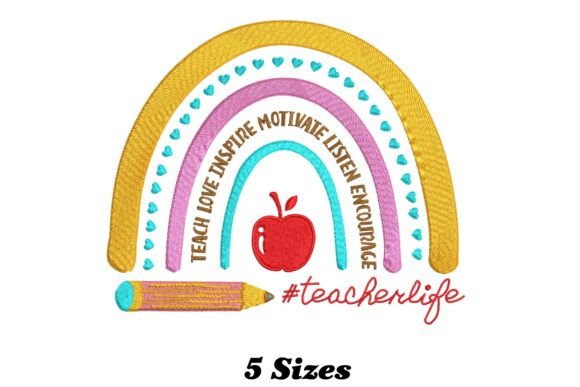
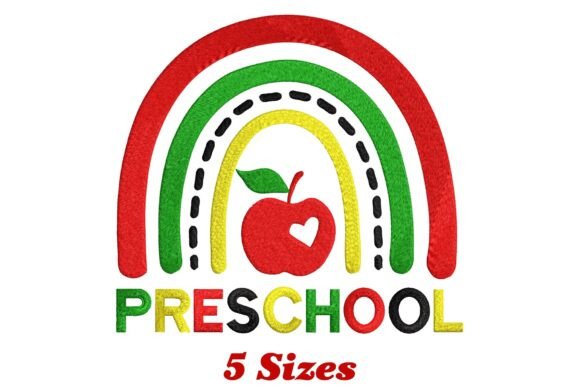
My initial assessment of Preschool Rainbow focused on its visual weight and mood. In the Back To School category, there is often a tendency toward overly complex graphics that lose definition when scaled down. Fortunately, this design strikes a balance between whimsy and clarity. The layout feels intentional rather than cluttered, suggesting it was digitized with actual fabric limitations in mind. The personality is undeniably cheerful, making it an immediate candidate for children’s apparel and nursery decor. However, as a reviewer, I am more interested in how those curves and color blocks translate into stitch density. A design that looks flat on screen can sometimes become bulletproof on fabric if the fill stitches are too dense, or conversely, look sparse if the coverage is inadequate. Preschool Rainbow appears to have a moderate density profile, which is promising for a wider range of substrate options.
Real-World Application: The Custom Sweatshirt Test
To truly evaluate this asset, I mentally placed it in a specific production scenario: creating a personalized crewneck sweatshirt for a toddler’s first day of school. This is a high-stakes project because the end user expects softness, durability, and vibrant color. When applying Preschool Rainbow to fleece or French terry, the fabric texture becomes a variable. Fleece tends to swallow fine details, so I looked closely at the design’s outline integrity. If the satin stitch borders are too narrow, they risk disappearing into the pile of the sweatshirt. Based on the design structure, I would recommend using a slightly heavier weight thread or adjusting the pull compensation in your software if you are stitching on high-pile fabrics.
For this specific custom apparel project, the color blocking in Preschool Rainbow allows for easy customization. An Etsy seller could easily swap thread colors to match school uniforms or personal preferences without disrupting the overall composition. This flexibility is crucial for commercial embroidery workflows where efficiency matters. Being able to offer variations from a single digital embroidery file increases the value of the asset significantly. Furthermore, the size of the rainbow motif suggests it would sit perfectly centered on a child’s chest or as a smaller accent on a cuff, avoiding the common pitfall of designs that are awkwardly proportioned for standard garment placement.
Navigating Fabric Limitations and Hoop Sizes
While Preschool Rainbow shines on stable knits, caution is required for other applications. I always advise fellow makers to check their specific hoop size constraints before purchasing. If you plan to use this for baby embroidery on onesies, ensure the design scales down without compromising the running stitch details. Tiny elements can become thread nests or break needles if reduced below a safe threshold. Always verify the minimum recommended size in the product specifications; guessing here leads to wasted materials and frustration.
Textured fabrics like waffle knit towels or terry cloth present another challenge. For a tote bag design or kitchen towel, the open areas of a rainbow motif might allow the base fabric to show through excessively if the fill stitch spacing is wide. In these cases, using a water-soluble topping is non-negotiable to keep the stitches crisp. Conversely, on thin, stretchy jersey knits, the concern shifts to puckering. Because rainbows involve curved satin columns, the push-and-pull effect can distort the fabric. Proper stabilizer selection is paramount here. I would suggest a cut-away stabilizer for any stretchy handmade product to maintain the shape of the arc after washing. Never rely solely on tear-away for curved designs on unstable fabrics, as the distortion will be visible once the backing is removed.
Commercial Viability for Small Business Owners
For creative entrepreneurs and Etsy sellers, the question is always: "Will this sell?" Preschool Rainbow has strong commercial potential because it bridges multiple niches. It works equally well as a standalone graphic for a personalized gift or as part of a larger collection of school supplies. From a branding perspective, the clean lines photograph well, making it ideal for printable mockups and listing photos. Buyers respond to clear, bright imagery, and this design provides that visual pop.
However, professionalism dictates that you understand your licensing. Before listing any finished product featuring this design, confirm whether your purchase includes commercial rights for physical goods versus digital resale. As a business owner, protecting your shop from copyright issues is as important as stitch quality. Additionally, consider the perceived value. A well-executed Preschool Rainbow on a premium blank elevates the item above generic mass-produced alternatives. The key is execution; sloppy registration or poor tension will devalue even the best digitizing. Treat this design as a premium asset in your library, not just a quick filler.
Essential Designer Notes for Success
Before committing this design to a final embroidery project, adhere to these practical protocols:
- Test Stitch First: Never run a new design directly on a customer’s garment. Use scrap fabric that matches the weight and weave of your final project to check for registration issues or density problems.
- Verify Thread Contrast: Rainbows rely on distinct color separation. Test your palette on both light and dark backgrounds. What looks vibrant on white might vibrate unpleasantly against navy blue.
- Check Small Details: Inspect any text or intricate accents within the design. If they are smaller than 4mm in height, they may require redesigning or removal for certain fabrics.
- Stabilizer Matching: Match your backing to the fabric stability, not just the design size. Stretchy fabrics need cut-away; stable woven fabrics can often handle tear-away.
- Mockup Validation: Create black and white mockups to test contrast independent of color. If the design reads well in grayscale, it will have strong visual hierarchy in color.
- Licensing Confirmation: Double-check terms regarding craft business use versus digital distribution. Document your license for future reference.
Elevating the Finished Handmade Product
Ultimately, Preschool Rainbow is a versatile tool for the serious embroiderer. Its success depends entirely on the maker's understanding of materials and machine mechanics. When executed correctly, it transforms a basic blank into a cherished holiday embroidery keepsake or a best-selling boutique item. The charm lies in its simplicity, but the quality lies in your preparation. By respecting the technical requirements of the embroidery file and matching it to appropriate substrates, you ensure that every stitch contributes to a professional, durable, and delightful result. Whether you are crafting for a craft fair or fulfilling custom orders, this design offers a reliable foundation for joyful, high-quality embroidery work.