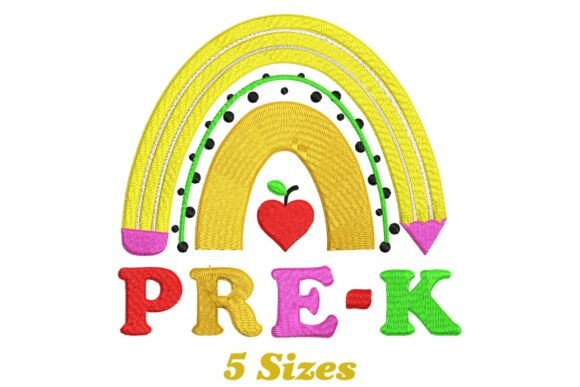
Pre-K School: An Embroidery Design Review for Gifts
As an embroidery designer who has stitched out thousands of files for custom orders, I approach every new machine embroidery design with a mix of excitement and caution. When planning inventory for the upcoming season, specifically for personalized items, the "Pre-K School" design immediately caught my eye. It promises to spruce up fabrics with a charming aesthetic suitable for t-shirts, towels, and home decor. However, before listing any item in my shop or accepting a deposit for a custom order, I need to know how this design performs on the machine and whether it translates into a high-value personalized gift. This review breaks down my testing process and practical observations for fellow makers, Etsy sellers, and small business owners looking to expand their Back To School or nursery collections.
First Impressions: Whimsy Meets Commercial Viability
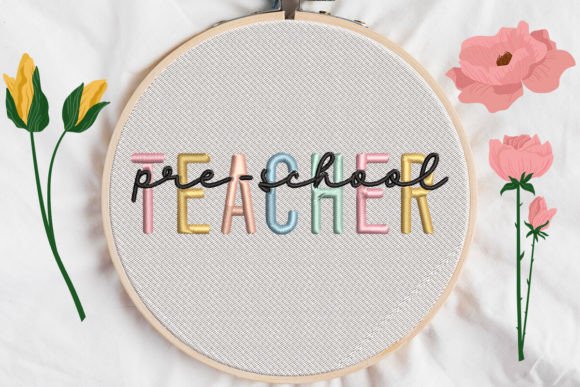
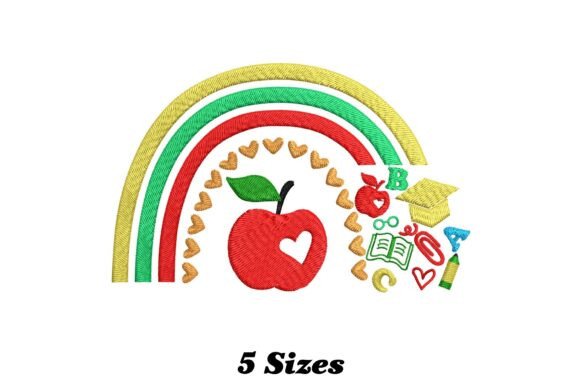
Upon loading the embroidery file into my software, the first thing that stands out is the mood. Pre-K School strikes a delicate balance between playful and polished. In the world of custom embroidery, there is often a trade-off between intricate detail and stitch efficiency, but this design appears to prioritize readability without sacrificing charm. The whimsical touch mentioned in the product description is evident in the lettering style and accompanying motifs. It feels sweet and handmade rather than stiff or overly industrial.
For a small shop product, this emotional appeal is critical. Customers buying for young children or nostalgic school milestones are not just purchasing thread on fabric; they are buying a feeling. The design evokes a sense of classic childhood innocence while maintaining enough modern clarity to photograph well for social media. As a designer, I appreciate that the artwork does not look cluttered. Negative space is preserved, which is essential when adapting the design for different fabric textures later in production.
Ideal Applications for Personalized Products
During my test run, I evaluated where Pre-K School would generate the highest return on investment and customer satisfaction. While the title suggests a specific age group, the versatility of the art allows for broader application in a handmade product lineup.
- Nursery and Baby Embroidery: This is perhaps the strongest use case. The soft, whimsical nature of the design makes it perfect for crib sheets, receiving blankets, and diaper bags. Parents love personalizing these items, and the design’s scale works beautifully on smaller garments like onesies or bibs.
- Kitchen and Bath Textiles: For an embroidered towel or apron, the design adds personality without being overwhelming. It serves as an excellent "Big Sibling" announcement gift or a teacher appreciation present. The charm factor elevates a standard utility item into a keepsake.
- Tote Bags and Pillow Covers: These flat surfaces allow the design to shine without distortion. A canvas tote featuring Pre-K School is a staple for craft fairs and back-to-school markets. Similarly, a pillow cover for a reading nook benefits from the design's cozy aesthetic.
- Wedding and Family Keepsakes: While primarily a school-themed asset, the vintage-inspired elements can cross over into family heritage projects. Think memory pillows made from old shirts or anniversary gifts celebrating parents who are now teachers.
Technical Considerations and Fabric Limitations
No digital embroidery file is universally perfect, and professional integrity requires us to acknowledge limitations. During my stress test, I identified specific scenarios where Pre-K School requires extra attention or should be avoided entirely.
Managing Small Lettering and Delicate Details
If you plan to resize this design significantly smaller than its original dimensions, proceed with caution. Whimsical fonts often have varying stroke widths. On stretchy baby clothes or knit fabrics, tiny serifs or decorative swashes can get lost or cause puckering. Always verify the minimum safe size in your software before stitching on a final garment. If the details merge during a test stitch-out, the design is too small for that specific application.
Textured and Thick Fabrics
The product description mentions towels, but not all towels are created equal. High-pile terry cloth can swallow fine details. If using Pre-K School on a thick embroidered towel, you must use a water-soluble topping to keep the stitches visible. Conversely, on very loose-weave linens, the stitch density might be too high, causing the fabric to tear or pucker. Adjusting density or adding a heavier cutaway stabilizer may be necessary depending on your base material.
Color Contrast and Dark Fabrics
Whimsical designs often rely on pastel or multi-colored thread colors. On dark fabrics, these nuances can disappear. Before committing to a navy or black background, create a printable mockup or a digital simulation to ensure contrast ratios are sufficient. You may need to add an underlay or outline to make the design pop against darker textiles.
Enhancing Perceived Value and Customer Trust
In the competitive landscape of Etsy sellers and independent creators, the quality of your embroidery directly impacts perceived value. Pre-K School contributes to this by offering a distinct "boutique" look that separates your work from generic clip-art merchandise. When customers see clean registration, appropriate stabilizer usage, and thoughtful placement, trust increases.
Photography plays a massive role here. Because this design brings personality to any item, your product photos should reflect that warmth. Avoid sterile, flat-lay shots on white backgrounds. Instead, style the finished product in context: a child holding the blanket, a towel hanging in a sunlit bathroom, or a tote bag filled with books. This helps buyers visualize the emotional connection they will feel upon receiving their order. Furthermore, clearly stating that you have tested the design for durability and washability reassures parents and gift-givers that this is a lasting keepsake, not fast fashion.
Essential Production Checklist for Makers
Before adding Pre-K School to your permanent catalog or fulfilling a rush order, run through this practical checklist to ensure commercial-grade results:
- Verify Licensing: Always confirm the commercial embroidery license terms included with the file. Ensure you are permitted to sell finished goods and check if there are limits on production quantities.
- Test on Scrap Fabric: Never stitch a new design directly onto a customer’s item. Use a scrap of the exact same material and stabilizer combination intended for the final product.
- Check Hoop Size Compatibility: Confirm the design fits comfortably within your available hoops with adequate margin for the presser foot. Re-hooping mid-design introduces alignment risks.
- Review Stitch Density: Inspect the file in editing software. If stitching on lightweight cotton, ensure the density isn't creating a bulletproof patch. If on fleece, ensure coverage is sufficient.
- Validate Thread Colors: Compare the digitizer’s color chart with your physical thread inventory. Substitutions are fine, but test them first to maintain the intended whimsical palette.
- Wash Test: For items like blankets or towels that require frequent laundering, wash and dry your sample to check for shrinkage, thread bleeding, or stabilizer residue.
- Create Accurate Mockups: Use realistic templates for your listings. Misrepresenting the size or placement of the design leads to returns and negative reviews.
Pre-K School is a delightful addition to any embroiderer's library, particularly for those focusing on children’s apparel, nursery decor, and sentimental gifts. Its blend of fun and elegance makes it a reliable choice for the Back To School season and beyond. By respecting the technical requirements of the embroidery file and pairing it with high-quality materials, you can transform this digital asset into a cherished tangible memory for your customers. Remember, in our industry, the magic lies not just in the design itself, but in the care and expertise we apply to bring it to life.