Grade 12 Split Colored Pencils Design Review
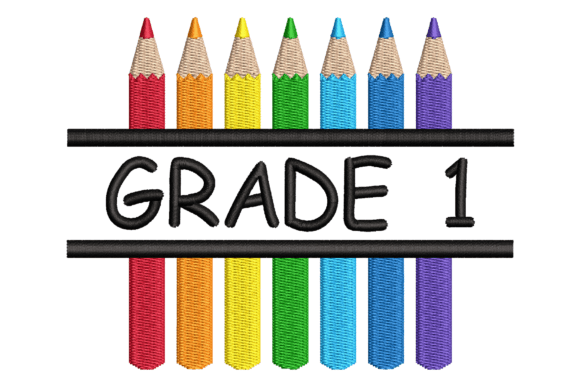
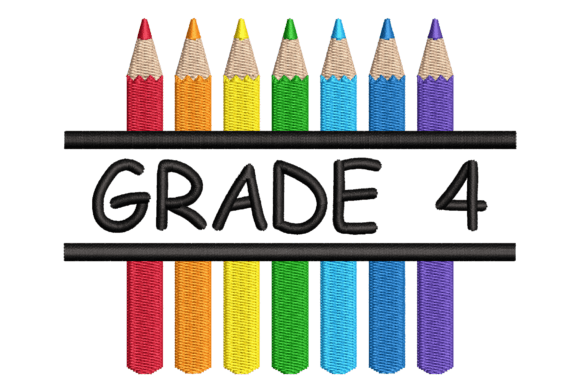
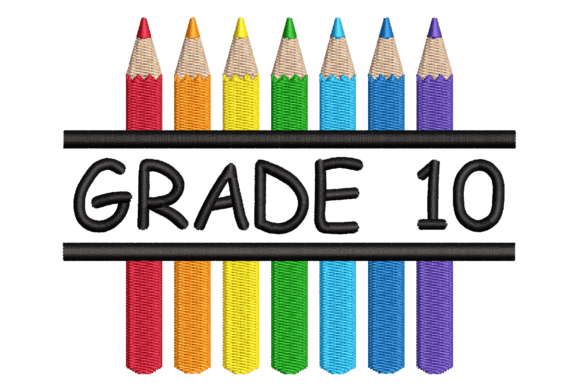
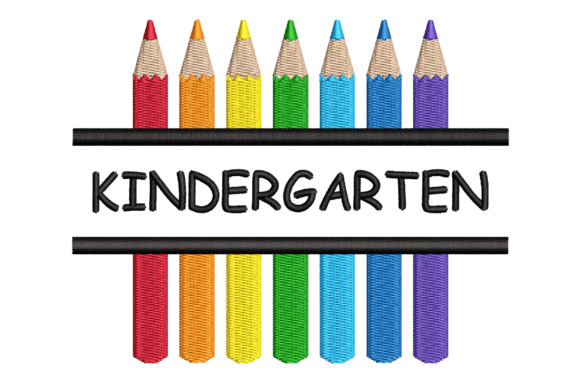
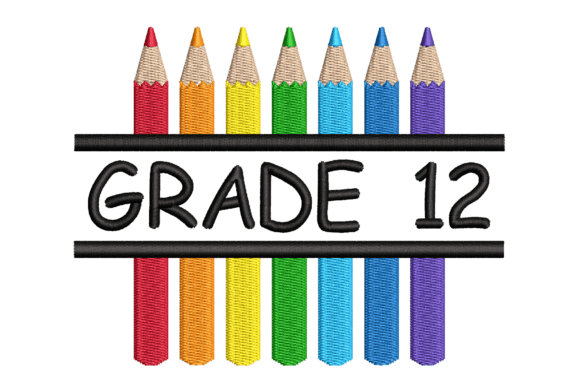
As an embroidery designer who specializes in commercial merchandise and branded assets, I approach every new machine embroidery design with a critical eye for production viability. When evaluating the Grade 12 Split Colored Pencils design, my first impression is that it strikes a difficult balance between playful nostalgia and structured professionalism. The hand-drawn aesthetic suggests an organic, artistic quality that translates beautifully to thread, distinguishing it from generic, digitized clip art often found in the Back To School category. For small business owners and merch creators, this visual personality is crucial; it signals a handmade product ethos even when produced via commercial embroidery machines.
Visual Personality and Brand Identity Alignment
The "split colored pencils" motif offers a unique geometric opportunity for branding. Unlike standard school supply icons, the split element introduces dynamic lines and negative space that can be leveraged for brand identity. From a design perspective, this artwork feels modern yet classic. It avoids being overly juvenile, making it appropriate for businesses targeting young adults, students, or creative professionals rather than just children.
For a boutique, creative studio, or tutoring center, this design communicates creativity and education without feeling sterile. The hand-drawn origin mentioned in the product description is a significant value add. In the world of small business merch, customers are increasingly drawn to items that feel curated and artistic. This design supports that narrative. Whether used as a primary logo accent or a secondary decorative element, it enhances the perceived value of the finished product by suggesting care and artistic intention behind the brand.
Commercial Applications for Small Business Merch
When integrating Grade 12 Split Colored Pencils into a commercial lineup, versatility is key. Based on the composition and theme, I recommend the following applications for maximizing ROI on your digital embroidery file purchase:
- Tote Bag Design: This is the premier application for this artwork. Canvas and cotton twill provide a stable base for the detailed pencil shading. The verticality of pencils complements the tall profile of tote bags perfectly.
- Apron Embroidery: For art supply shops, bakeries with a creative twist, or florists, placing this design on the chest or pocket area adds a whimsical yet professional touch to staff uniforms.
- Custom Apparel Accents: Rather than a massive center-chest print, consider using this as a sleeve detail or hem tag on sweatshirts and hoodies. This subtle placement is trending in Etsy shops and increases wearability.
- Embroidered Patch Production: The distinct outlines likely present in a hand-drawn style make this ideal for merrowed edge patches. These can be sold as standalone accessories or applied to denim jackets and backpacks.
- Cap Embroidery: While challenging, the vertical nature of pencils can work on curved cap fronts if resized correctly, appealing to student organizations or art clubs.
Technical Considerations and Production Limitations
While the aesthetic is strong, technical execution determines profitability. As you prepare this embroidery file for production, you must evaluate specific constraints to avoid registration issues or fabric distortion.
Stitch Density and Fabric Texture
Hand-drawn designs often contain varying line weights. You must verify the stitch density before running a full production batch. If the pencil shading uses high-density fill stitches, lightweight fabrics like performance polyester or thin cotton may pucker. Conversely, if the design relies on delicate running stitches to mimic a sketch, heavy canvas or textured fleece might swallow the detail. Always match the stabilizer weight to both the design complexity and the garment weight. A cutaway stabilizer is generally safer for maintaining the integrity of hand-drawn lines on stretchy apparel.
Sizing and Legibility
The "split" aspect of the pencils implies fine detail. There is a minimum size threshold for this design. Reducing it too small for a tiny chest logo or hat brim may cause the split colors to merge or the outlines to become muddy. Before committing to custom apparel runs, measure the smallest legible size on your target fabric. If the design includes any text associated with the Grade 12 theme, ensure it remains readable at your intended scale. Tiny lettering is the most common failure point in commercial embroidery.
Hoop Size and Stabilizer Strategy
Confirm your hoop size compatibility immediately. Vertical designs like pencils require specific hoop orientations. Ensure your machine’s field accommodates the height without requiring re-hooping, which introduces alignment risks. For caps or structured bags, use specialized backing to prevent flagging. The goal is a crisp, professional result that honors the original hand-drawn artistry.
Strategic Implementation for Business Growth
Beyond the physical stitch-out, Grade 12 Split Colored Pencils serves as a strategic asset for customer engagement. In a saturated market, unique design assets drive recognition. Here is how to leverage this design for business growth:
- Create Printable Mockups: Before stitching inventory, generate high-quality digital mockups. Use these for social media teasers or pre-orders to validate demand. This reduces waste and ensures the design resonates with your audience.
- Bundle with Related Products: Pair this embroidery with physical stationery or art supplies. The thematic consistency strengthens the shopping experience and encourages higher cart values.
- Seasonal vs. Evergreen Use: While categorized as Back To School, the artistic nature allows this to function year-round for creative brands. Market it as "Art Studio" merch in off-seasons to extend the lifecycle of your commercial embroidery investment.
- Client Approval Protocols: If you are a contract embroiderer, always create a sew-out sample for client sign-off. Hand-drawn styles are subjective; what looks charming on screen must be approved in thread form to avoid disputes over style interpretation.
Essential Pre-Production Checklist
To ensure Grade 12 Split Colored Pencils performs flawlessly in a business environment, adhere to this professional workflow:
- Test in Black and White: Remove color to check contrast and definition. If the design reads well in grayscale, the structural digitizing is sound.
- Verify Thread Colors: Hand-drawn designs often require specific shade matching. Audit your thread colors against the digital file to maintain the artist’s intended palette.
- Check Licensing: Confirm the commercial license terms included with the file. Ensure you have the right to sell finished goods or use the design for business branding.
- Inspect Spacing: Look for jump stitches that could snag or excessive trims that slow production. Clean up the file if necessary to optimize cycle times.
- Fabric Testing: Never skip testing on the actual substrate. A design that works on felt may fail on nylon. Document your successful stabilizer and tension settings for future reorders.
Ultimately, Grade 12 Split Colored Pencils is more than a seasonal graphic; it is a versatile tool for building a distinctive, handmade-inspired brand presence. By respecting the technical requirements of embroidery and applying strategic merchandising principles, small businesses can transform this charming design into a profitable, recognizable asset that stands out in a crowded marketplace. Whether adorning a student's tote bag or a creative professional's apron, the careful application of this design reinforces quality, creativity, and attention to detail—traits that define successful modern brands.