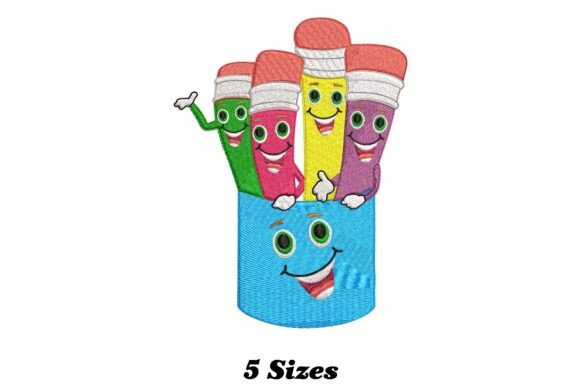
Funny Pencil: A Designer’s Review for Gifts
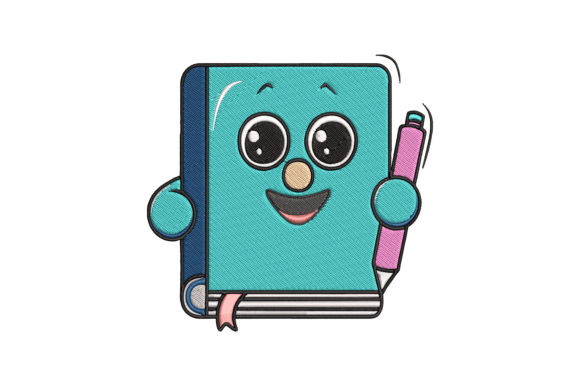
As an embroidery designer who spends countless hours testing files before they ever touch a customer’s fabric, I approach every new design with a mix of excitement and scrutiny. When planning inventory for personalized gift products, we cannot rely solely on how a digital file looks on a screen. We must envision the tactile reality of the finished product. Recently, I evaluated the Funny Pencil machine embroidery design to determine its viability for our upcoming shop collection. While categorized under Back To School, my assessment focused on its broader potential as a versatile element for custom embroidery projects ranging from nursery decor to whimsical kitchen textiles.
First Impressions: Charm Meets Commercial Viability
My initial reaction to the Funny Pencil design was that it strikes a difficult balance between playful and polished. In the world of handmade products, there is often a divide between designs that are cute but poorly digitized, and those that are technically sound but lack soul. This design feels distinctly sweet and modern without appearing juvenile. The mood is undeniably whimsical, yet the lines suggest a level of detail that will translate well into thread rather than getting lost in translation.
For Etsy sellers and small business owners, this emotional appeal is critical. Customers are not just buying stitches; they are buying a feeling. Whether intended for a teacher appreciation gift or a quirky addition to a child's room, the design carries a warmth that elevates it above generic clip art. It feels like a true handmade product because the charm appears intentional, not accidental. However, as with any digital embroidery file, the on-screen rendering is only a promise. The true test lies in how the stitch density interacts with real-world fabric texture.
Real-World Application: From Nursery to Kitchen
During my product planning phase, I mapped out several scenarios where Funny Pencil could serve as the centerpiece for a meaningful personalized gift. The versatility here is impressive. For baby embroidery, I can easily visualize this design anchoring a nursery wall hanging or adding a subtle, humorous touch to a toddler’s tote bag. It avoids being overly "babyish," which extends the lifespan of the item as the child grows.
In the realm of home goods, this design shines as a candidate for an embroidered towel or apron. Imagine a flour sack towel featuring this pencil motif alongside a custom family name or a funny baking quote. It transforms a utilitarian object into a conversation piece. For wedding gift designers, while a pencil might seem unconventional, it works beautifully for couples who are teachers, writers, or artists. Stitched onto a pillow cover or a canvas book bag, it becomes a niche, thoughtful keepsake that speaks directly to the couple's shared passion. This specificity is what drives buyer engagement and builds customer trust in your ability to create unique custom embroidery.
Navigating Technical Challenges and Fabric Choices
Despite its charm, no machine embroidery design is without limitations. As professionals, we must know where to use caution. When testing Funny Pencil, I paid close attention to how it might perform on challenging substrates. If you are stitching on thick terry cloth for an embroidered towel, the pile can swallow delicate details. You may need to adjust your stitch density or use a water-soluble topping to ensure the humor reads clearly from a distance.
Stretchy fabrics, such as jersey knits used for baby onesies or t-shirts, require meticulous stabilization. A playful design like this loses its impact if the fabric puckers or distorts during washing. Always pair this design with the appropriate stabilizer for the specific garment weight. Furthermore, be wary of small lettering if the design includes text elements. Tiny serifs or thin script can become illegible when scaled down for cuff embroidery or pocket placements. I strongly advise against using this design on highly textured fabrics like boucle or loose-weave linens unless you have tested it first, as the whimsical details demand a relatively smooth canvas to maintain their integrity.
The Business of Giftability and Perceived Value
Why does this specific design matter for your bottom line? Because giftability is tied to perceived value. A Funny Pencil embroidery project signals that the maker understands current trends while respecting classic craftsmanship. When photographing your finished product for listings, the whimsical nature of this design encourages bright, natural lighting and lifestyle staging. A flat lay of a pencil-themed tote bag next to actual stationery creates an immediate visual connection for the buyer.
For digital product sellers offering printable mockups, ensure your previews accurately represent the stitch direction and sheen. Misleading mockups damage trust. Conversely, accurate representations of this design on a blanket embroidery or apron can justify a higher price point because the customer sees the quality before purchasing. Emotional connection drives sales, and this design facilitates that connection by bridging the gap between nostalgia and modern aesthetics.
Essential Pre-Stitch Checklist for Makers
Before you hoop up your good linen or cut into expensive baby fleece, run through this practical checklist. These steps are non-negotiable for maintaining professional standards in commercial embroidery or high-end gifting.
- Test on Scrap Fabric: Never assume the digital embroidery file is perfect for your specific material. Stitch out on a scrap that matches the weight and weave of your final project.
- Verify Hoop Size: Confirm the dimensions fit your hoop with adequate clearance. Resizing can alter stitch density and cause registration issues in detailed areas.
- Check Thread Colors: Compare your physical thread palette to the chart provided. Screen colors are often inaccurate. Choose shades that complement the fabric tone, especially for dark backgrounds where contrast is key.
- Review Stabilizer Strategy: Decide between cut-away, tear-away, or wash-away based on the end-use. An apron needs different support than a nursery pillow cover.
- Inspect Small Details: After your test stitch-out, examine the design closely. Are the eyes defined? Is the outline crisp? If details are muddy, consider simplifying the file or changing needles.
- Confirm Licensing: Before listing any finished product derived from this design, verify the commercial usage terms. Protect your small shop product line by ensuring you have the right to sell items featuring this artwork.
Final Thoughts for the Thoughtful Creator
The Funny Pencil design offers a delightful opportunity to expand your catalog beyond traditional seasonal fare. Its strength lies in its ability to adapt to various niches, from education-themed gifts to quirky home decor. By approaching this machine embroidery design with a critical eye toward fabric compatibility and market positioning, you transform a simple digital file into a profitable, beloved product. Remember that in our industry, the difference between a hobbyist and a professional is the rigor of our testing and the intentionality of our execution. Take the time to sample, adjust, and perfect your application of this design, and your customers will reward you with their loyalty and enthusiasm for your handmade creations.