Floral Book: A Designer’s Review for Craft Fairs
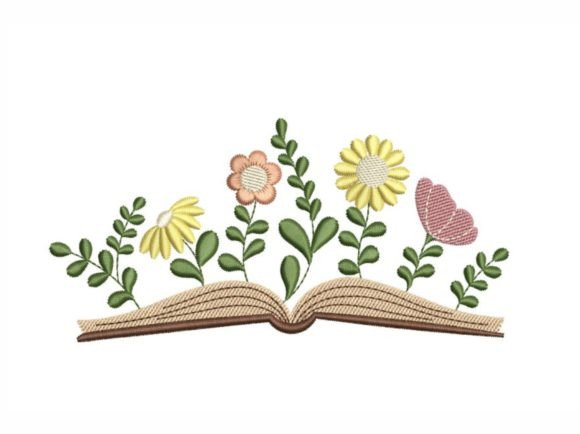
As I prepare my inventory for the upcoming weekend craft fair, my table display needs to tell a cohesive story while offering variety. When evaluating the Floral Book machine embroidery design for this season's lineup, I am looking at more than just a pretty image; I am assessing its commercial viability as a craft fair product. This specific design, which combines the imagery of an open book with intricate floral patterns, strikes a unique balance between academic nostalgia and botanical elegance. For fellow Etsy sellers, boutique makers, and creative entrepreneurs, understanding how this design translates from a digital embroidery file to a finished product is crucial for maximizing sales and minimizing production headaches.
First Impressions: Whimsical Academia Meets Botanical Art
My immediate reaction to the Floral Book design is that it embodies a "whimsical academia" aesthetic. It does not feel strictly like a traditional Back To School item, nor is it purely a garden motif. Instead, it occupies a profitable middle ground that appeals to teachers, librarians, students, and nature lovers alike. The composition suggests a harmonious blend where nature overtakes literature, creating a visually captivating focal point.
For a handmade shop owner, this versatility is gold. It avoids being pigeonholed into a single niche. At a glance, the design reads as elegant and soft rather than bold or cartoonish. This perception of elegance increases the perceived value of the item, allowing for higher price points on premium goods. However, because the description notes "intricate floral patterns," I immediately flag this as a design that requires careful placement. It is not a quick-fill background filler; it is a statement piece that demands attention and respect in your booth display.
Top Performing Products for Market Sales
When planning my production run, I categorize items by how well they showcase the specific attributes of this embroidery file. Based on the open book silhouette and floral density, here is where I see the highest return on investment:
- Tote Bag Design: Canvas totes are the premier vessel for this artwork. The flat surface allows the open book shape to lay correctly without distortion. A natural or cream canvas provides the necessary contrast for the florals to pop, making it an instant best-seller for book lovers and market shoppers.
- Tea Towel Embroidery: This is a high-margin item for craft fairs. The Floral Book design works beautifully on linen or cotton tea towels, positioning it as a giftable handmade product for hosts, teachers, or bibliophiles. The vertical orientation of many tea towels complements the open book spread perfectly.
- Apron Embroidery: For a more functional application, placing this design on the bib or lower pocket of a linen apron targets the "cottagecore" demographic. It transforms a utilitarian item into a romanticized accessory.
- Fabric Pouches and Pillow Covers: Smaller zippered pouches serve as excellent impulse buys. The design scales down reasonably well for these items, provided the intricate details remain legible. Pillow covers allow for a larger hoop size, showcasing the full complexity of the floral integration.
Production Realities: Stitch Density and Fabric Texture
While the visual appeal is high, practical production requires vigilance. As an experienced designer, I must warn against assuming this design will work on every substrate. The phrase "intricate floral patterns" usually indicates variable stitch density. When embroidering on textured towels or thick canvas, you risk losing the fine details of the petals or the pages of the book.
Stabilizer choice is non-negotiable here. For a tote bag design or heavy apron, I recommend a cut-away stabilizer to prevent puckering around the dense floral areas. If you are attempting this on a lighter fabric for a small shop product, ensure you use adequate backing to support the stitch count without making the garment stiff. Always check the specific hoop size requirements before purchasing the digital embroidery file. Trying to shrink a complex open book design too far below its intended size will result in thread breaks and muddy details, rendering the finished product unsellable.
Navigating Curved Surfaces and Small Details
I would advise caution when applying Floral Book to caps or curved surfaces. An open book relies on horizontal symmetry; distorting this across the seam of a hat can make the book look broken or the text illegible. Similarly, be wary of dark fabrics. Unless the design includes a white underlay or is specifically digitized for dark garments, the intricate florals may disappear against navy or black backgrounds. For commercial embroidery success, stick to light or neutral bases that let the thread colors shine.
Booth Display and Online Merchandising Strategy
At a physical market, customers touch before they buy. Because Floral Book evokes a tactile, literary feeling, I recommend displaying it on items that invite interaction. An embroidered patch version of this design could be a fantastic low-cost add-on, allowing customers to customize their own jackets or bags. However, ensure the patch retains clarity; tiny lettering or minute floral stamens often get lost in patch production.
For Etsy sellers and digital merchants, photography is your primary sales tool. This design photographs exceptionally well because of its narrative quality. Create a printable mockup or style a real-life photo with props like vintage books, dried flowers, or reading glasses to reinforce the theme. When listing, emphasize the "handmade quality" and the time invested in stitching such an intricate piece. Buyers are paying for the artistry, not just the utility. Highlighting the design assets used in your description can also attract other makers looking for inspiration, potentially leading to cross-promotion opportunities.
Essential Pre-Production Checklist for Sellers
Before you commit to a batch production run for your next market, run through this professional checklist to protect your profit margins and brand reputation:
- Test Stitch on Scrap: Never run this design directly onto a final product without a test. Check if the floral elements align perfectly with the book outline. Registration errors in intricate designs are glaring.
- Verify Commercial Licensing: Confirm that your purchase of the Floral Book embroidery file includes rights for selling finished products. Some designers restrict files to personal use only.
- Audit Thread Colors: Intricate florals often require multiple thread changes. Map out your color palette in advance to ensure you have enough stock for batch production. Running out of a specific shade mid-run creates inconsistency.
- Check Minimum Size: Determine the smallest viable size for this design. If the details vanish at 3 inches, do not offer it on baby onesies or small cuffs. Stick to sizes where the art remains crisp.
- Create a Physical Mockup: Digital renderings can be deceiving. Make at least one real sample to assess drape, weight, and texture. Does the stabilizer make the tea towel too stiff? Is the tote bag balanced? Real-world testing answers these questions.
Final Verdict for Creative Entrepreneurs
The Floral Book embroidery design represents a strong opportunity for sellers targeting the intersection of education, nature, and cozy aesthetics. Its strength lies in its emotional resonance and visual complexity, which signals high-quality craftsmanship to buyers. By respecting the technical requirements of stitch density and stabilizer, and by selecting appropriate canvases like totes and tea towels, you can turn this digital asset into a tangible revenue stream. Whether you are stocking a weekend booth or updating your online store, this design offers the kind of timeless appeal that encourages customers to linger, appreciate the detail, and ultimately, make a purchase.