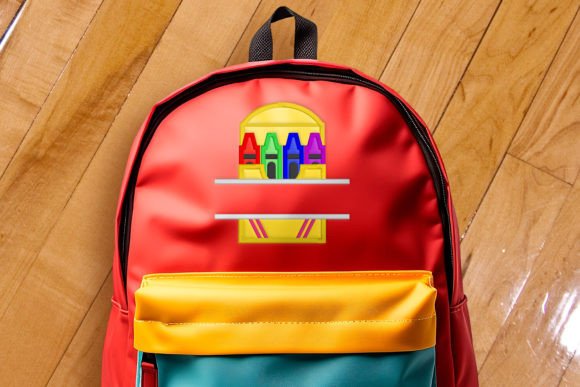
Crayon Box Split Applique Embroidery Review
As an embroidery designer who frequently sources assets for commercial projects, I approach every new machine embroidery design with a critical eye. When browsing Creative Fabrica for upcoming seasonal collections, the Crayon Box Split Applique Embroidery caught my attention immediately. It promises to be a versatile solution for Back To School merchandise and 100 Days of School celebrations. However, a cute preview image does not always translate to a clean stitch-out on textured fabrics or stretchy knits. After evaluating this applique design for potential use in custom apparel and personalized gifts, here is my honest assessment of its performance, versatility, and value for handmade business owners.
First Impressions and Design Aesthetics
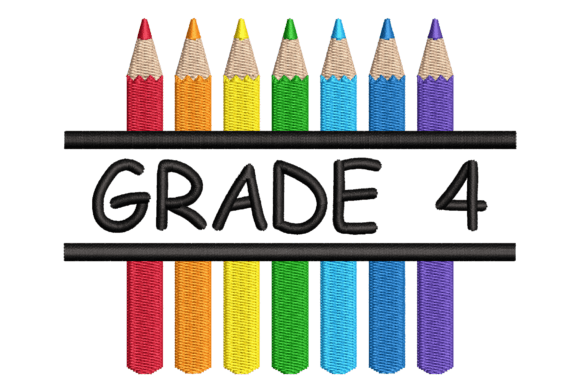
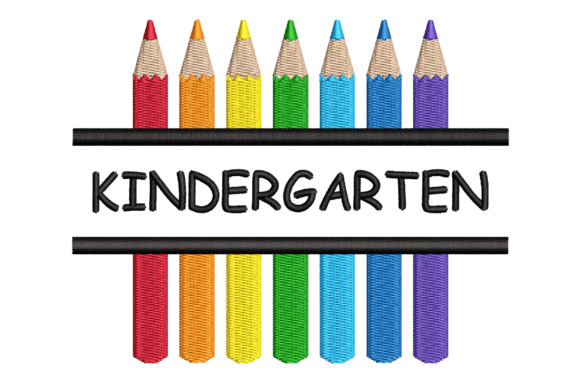
The visual mood of the Crayon Box Split Applique Embroidery is undeniably cheerful and nostalgic. The open box concept provides a natural frame, while the split center offers a dedicated negative space for customization. For an Etsy seller or boutique owner, this layout is gold. It solves the common design problem of where to place personalization without obscuring the main artwork. The aesthetic strikes a balance between playful and polished, making it suitable for both toddler items and teacher appreciation gifts.
From a digitizing perspective, the separation of the crayon elements from the text area suggests thoughtful planning. In many digital embroidery files, text placement areas are often an afterthought, leading to crowded compositions. Here, the split appears intentional, allowing for varying name lengths or grade levels without distorting the original art. This structural integrity is crucial when creating printable mockups for listings, as the design looks balanced even before a single needle penetrates the fabric.
Performance on Custom Apparel and Tote Bags
I evaluated this design specifically for two high-demand products: cotton tote bags and fleece sweatshirts. These substrates represent opposite ends of the stability spectrum, testing the versatility of the embroidery file.
Tote Bag Application
For a tote bag design, the Crayon Box Split Applique Embroidery performs exceptionally well. Canvas and denim provide a stable foundation that supports the weight of applique layers. The open box motif reads clearly from a distance, which is vital for craft fair sales where visual impact drives foot traffic. Because tote bags are often washed, I paid close attention to the edge finishing. A quality applique design must have secure satin or zigzag edges to prevent fraying over time. This design’s structure suggests it will hold up well to laundering, maintaining the professional finish that buyers expect from a handmade product.
Sweatshirt and Knit Challenges
Sweatshirt embroidery presents different challenges due to fabric stretch and pile. When using this design on fleece or French terry, the "split" area requires careful stabilization. If the underlay is insufficient, the custom text can sink into the fabric nap, reducing legibility. I recommend testing on scrap fabric first to ensure the stitch density interacts correctly with your specific garment weight. While the design is adorable on knits, success depends heavily on using the correct stabilizer combination—typically a cut-away backing with a water-soluble topping to keep the applique edges crisp and the text floating above the texture.
Versatility Across Product Categories
Beyond standard apparel, this Creative Fabrica embroidery asset shows promise for niche markets. The scalability of the crayon theme allows it to transition across various demographics:
- Nursery Decor: On pillow covers or baby blankets, the soft colors and school theme work for "first day of preschool" keepsakes. Ensure you verify the hoop size availability, as larger blanket designs require adequate border clearance.
- Kitchen Textiles: Teacher-themed aprons and kitchen towels are consistent sellers. The split design allows for adding "Mrs. Smith’s Class" or a specific year, increasing the perceived value of the personalized gift.
- Patches and Caps: While primarily an applique, smaller versions could serve as embroidered patches. However, cap embroidery requires distinct consideration. Curved surfaces can distort rectangular shapes like a crayon box. Always test on a curved cap form before committing to production, as flat-hoop tests do not accurately simulate cylindrical distortion.
Technical Considerations for Commercial Use
For those using this design in a commercial embroidery setting, technical reliability is just as important as visual appeal. There are several practical factors to review before listing finished items for sale.
Stitch Density and Thread Management
Applique designs vary wildly in density. Some are light and airy; others are dense enough to cause puckering on lightweight fabrics. Before running a full production batch, inspect the thread colors and layer order in your machine software. Efficient color sorting reduces thread changes and production time. Additionally, check if the design includes alignment marks for multi-hoop sizes if you are working outside standard hoop dimensions. Proper alignment is non-negotiable for maintaining brand consistency and buyer trust.
Fabric Contrast and Visibility
The Crayon Box Split Applique Embroidery relies on contrast to define its shapes. On dark fabrics, ensure the outline stitches are visible or that the applique fabric itself provides sufficient contrast against the base material. A design that disappears into a navy sweatshirt will result in customer dissatisfaction. Compare light and dark fabric mockups during your product development phase to determine which colorways yield the most photogenic results for your online store.
Enhancing Product Value and Buyer Trust
Using high-quality design assets directly correlates to customer perception. A poorly digitized design with gaps, loose threads, or misaligned layers signals low quality. Conversely, a clean execution of this crayon box design communicates professionalism. When customers see precise satin stitches and readable custom text, they associate that quality with your entire shop.
Furthermore, the ability to offer quick customization using a reliable base design improves your turnaround time. In the competitive Back To School market, speed matters. Having a trusted embroidery file that stitches out predictably allows you to accept rush orders with confidence. This reliability builds long-term buyer trust and encourages repeat business for other seasonal events like end-of-year celebrations.
Essential Pre-Production Checklist
Before integrating Crayon Box Split Applique Embroidery into your inventory, adhere to this practical workflow:
- Verify Licensing: Always confirm the current license terms on the Creative Fabrica product page. Ensure you have the rights to sell physical embroidered items and understand any limitations regarding digital redistribution.
- Check File Compatibility: Confirm the included formats match your machine. Do not assume all conversions retain perfect stitch attributes; native formats are preferable.
- Test Stitch-Out: Never skip this step. Use the exact fabric and stabilizer intended for the final product. Inspect small details, lettering clarity, and edge security.
- Evaluate Washability: If selling children's items or linens, wash and dry the test sample to check for shrinkage or thread bleeding.
- Document Settings: Note the successful stabilizer type, needle size, and tension settings for future reference to ensure consistency across multiple orders.
Final Verdict for Embroidery Entrepreneurs
The Crayon Box Split Applique Embroidery represents a strong addition to a commercial embroidery library. Its thoughtful layout, seasonal relevance, and customization potential make it a viable candidate for generating revenue across multiple product categories. However, its success ultimately depends on the maker's diligence. By respecting the technical requirements of applique, testing thoroughly on target substrates, and verifying licensing, you can transform this digital asset into a profitable, high-quality finished product. For designers seeking fresh, functional Back To School content, this design warrants serious consideration and a spot in your next test stitch queue.