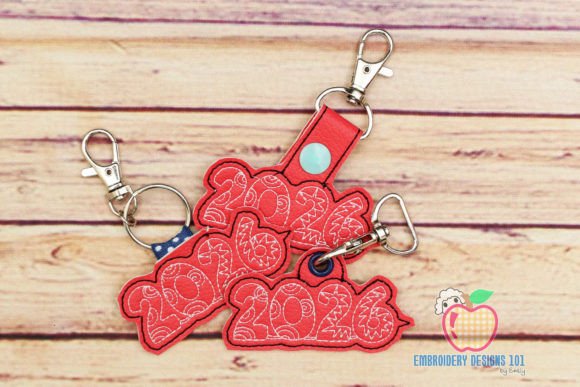
Class of 2026 Keyfob ITH: Apparel Add-On Review
As an embroidery designer constantly curating collections for boutique apparel, I am always on the lookout for digital assets that serve a dual purpose. When browsing Creative Fabrica embroidery listings, my eye is rarely drawn to standalone accessories unless they can elevate a garment line. The Class of 2026 Keyfob Keychain ITH initially appears to be a simple accessory project, but upon reviewing the design structure and its potential application in a Back To School collection, it reveals itself as a strategic asset for sweatshirt embroidery and hoodie design bundles.
This review evaluates this machine embroidery design not just as a keychain, but as a value-add component for custom apparel businesses, Etsy sellers, and small shop product lines. We will explore how this In The Hoop (ITH) file can enhance brand identity, increase average order value, and provide versatile content for lifestyle marketing.
Visual Personality and Stitching Mood
The first impression of the Class of 2026 Keyfob Keychain ITH is one of clean, collegiate utility. Unlike ornate or overly feminine graduation designs, this file carries a bold, classic aesthetic that aligns perfectly with current streetwear and campus fashion trends. The stitching mood is structured and confident, making it feel premium rather than crafty. For a boutique brand focusing on neutral sweatshirts, pastel hoodies, or oversized garments, this design offers a masculine-leaning or unisex appeal that balances out softer apparel aesthetics.
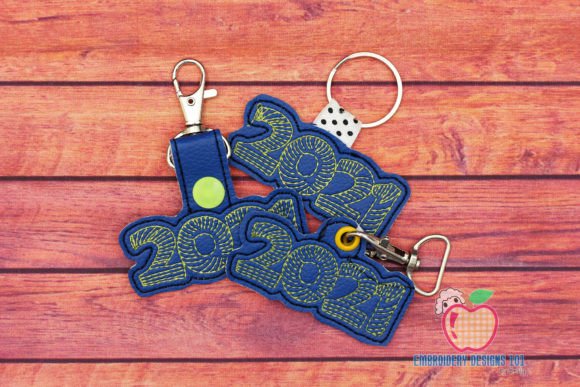
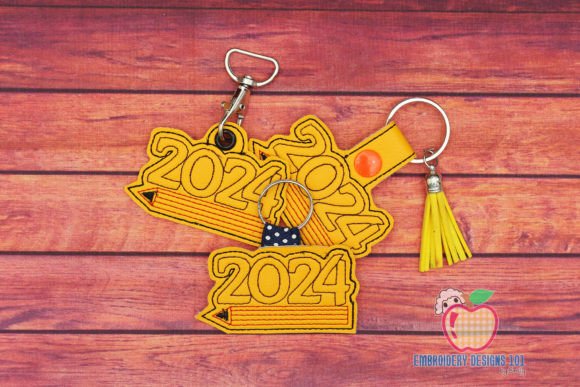
The inclusion of three distinct finishing versions—Snap Tab, Eyelet, and Ribbon—is where this embroidery file truly shines for commercial embroidery applications. This versatility allows designers to match the hardware or attachment style to the specific garment texture. A ribbon tab might complement a feminine blouse or tote bag design, while the snap tab version feels rugged enough for denim jackets and heavy fleece. This level of detail suggests the digitizer understood that finished products need to coordinate with broader wardrobe choices, not just exist in isolation.
Strategic Placement for Sweatshirt and Hoodie Collections
While primarily a key fob, experienced apparel decorators know that ITH components often translate beautifully onto garments when resized or adapted. However, even using the Class of 2026 Keyfob Keychain ITH strictly as an accessory, its relationship to apparel placement is critical.
Coordinating with Chest and Sleeve Accents
When planning a hoodie design collection, visual consistency is paramount. If you are embroidering "Class of 2026" on a left chest placement, having a matching key fob creates a cohesive merchandise set. The font weight and stitch density of this key fob appear compatible with standard varsity and block lettering used on sweatshirt embroidery. This allows for a unified brand identity across different product types. For sleeve accents or back designs featuring larger graduation graphics, the key fob serves as a subtle, lower-cost entry point for customers who may not be ready to commit to a full custom apparel piece.
Fabric Texture Considerations
Apparel decorators must consider how the key fob interacts with various fabric textures. On ribbed fabric or thick fleece, the smooth finish of a satin-stitched key fob provides a satisfying tactile contrast. For dark garments, the design’s likely reliance on high-contrast thread colors ensures visibility. However, caution is advised when pairing this accessory with delicate fabrics; the hardware (snap or eyelet) could snag lightweight t-shirt embroidery or silk blends. It performs best when marketed alongside sturdy materials like cotton twill, denim, canvas tote bags, and heavyweight French terry.
Elevating Brand Value and Buyer Trust
For handmade product creators and digital sellers, offering coordinated accessories signals professionalism. The Class of 2026 Keyfob Keychain ITH helps bridge the gap between a hobbyist and a boutique brand. When an Etsy seller lists a sweatshirt alongside a matching keychain, it demonstrates attention to detail and increases buyer trust. Customers perceive the shop as a comprehensive destination for their graduation needs rather than a vendor selling isolated items.
Furthermore, this design is a powerhouse for content creation. Lifestyle product photos featuring a model holding keys with the Class of 2026 fob against a textured hoodie background create aspirational imagery. These visuals are essential for social media graphics and printable mockup listings. Even if the primary revenue driver is apparel, the key fob acts as a prop that enhances the perceived value of the clothing. It fills negative space in flat lays and adds a layer of storytelling to commercial embroidery product photography.
Technical Notes for Apparel Decorators
Before integrating the Class of 2026 Keyfob Keychain ITH into your production workflow, several technical factors require verification. As with any digital embroidery file, assumptions can lead to production errors.
- Hoop Size Verification: The product description confirms 4x4 hoop compatibility, with options for 5x7 hoops. Always confirm your machine’s maximum stitch area before purchasing. If you plan to resize this for apparel accents, ensure you stay within safe scaling limits to prevent stitch distortion.
- Stabilizer Selection: While ITH projects typically use tear-away or cut-away stabilizer within the hoop, testing on scrap fabric identical to your target apparel is non-negotiable. If adapting elements of this design for stretchy fabric like jersey or rib knit, you may need to adjust stabilizer weight to prevent puckering.
- Thread Color Contrast: Review the thread chart included in the embroidery file. Graduation merchandise often requires specific school colors. Test thread color contrast on both light and dark apparel swatches to ensure legibility. What looks vibrant on screen may lack definition on charcoal heather or navy fleece.
- Licensing Confirmation: Before selling finished products or bundled apparel sets, meticulously check the Creative Fabrica product details regarding commercial licensing. Ensure the license covers both physical sales of the key fob and its use as part of a custom apparel bundle.
Navigating Production Challenges
Even well-digitized files present challenges in real-world application. When using the Class of 2026 Keyfob Keychain ITH in conjunction with apparel projects, be mindful of dense stitch areas. Key fobs inherently have higher stitch density than garment embroidery due to their structural requirements. If you attempt to replicate this density directly onto a t-shirt or lightweight hoodie, you risk creating a bulletproof patch that drapes poorly.
Additionally, consider the curved surfaces of worn apparel. A key fob photographed flat looks different than one hanging from a pocket or clipped to a belt loop on a body. When creating mockups or listing photos, show the item in context. Tiny lettering, common in graduation year designs, must remain legible at actual size. Inspect the stitch-out closely; if the "2026" numerals are too small for reliable production on varied fabrics, reserve this design strictly for the keychain application rather than attempting to adapt it for direct garment embroidery.
Final Thoughts for Small Business Owners
The Class of 2026 Keyfob Keychain ITH represents more than just a seasonal trinket; it is a strategic tool for apparel decorators and creative entrepreneurs. Its 4x4 friendly format makes it accessible for shops with smaller machines, while the three variation options allow for customization across diverse product lines. Whether you are building a Back To School capsule collection, expanding your Etsy shop’s graduation offerings, or simply looking for professional props to enhance your sweatshirt embroidery photography, this design delivers practical value.
By treating this machine embroidery design as part of a larger ecosystem rather than a standalone project, small clothing brands can maximize their return on investment. Remember to test thoroughly, respect fabric limitations, and leverage the design’s versatility to build a recognizable, trustworthy brand identity. In the competitive world of custom apparel and handmade goods, these thoughtful details are what separate successful boutiques from the rest.