Children Reading: An Embroidery Design Review
As a professional embroidery designer running a personalized gift shop, I am constantly evaluating new digital assets to ensure they meet the high standards my customers expect. When planning inventory for the upcoming Back To School season or updating our nursery collection, finding a versatile machine embroidery design is crucial. Recently, I tested the "Children Reading" design to determine its viability for real customer orders. This review reflects my practical experience testing this lightweight stitching design across various fabrics and product types to help fellow Etsy sellers, crafters, and small business owners make informed decisions.
First Impressions and Emotional Appeal
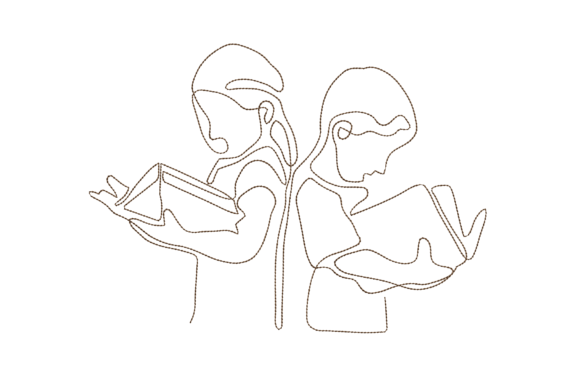
Upon loading the embroidery file into my software, the first thing that struck me was the gentle, nostalgic mood of the artwork. Children Reading captures a quiet moment of imagination that feels both classic and timeless. Unlike trendy or overly complex graphics, this design possesses a sweet simplicity that translates beautifully into thread. The charm lies in its ability to evoke warmth and intellectual curiosity without feeling cluttered. For a handmade product, this emotional connection is vital. Customers are not just buying stitches; they are purchasing a sentiment about learning, childhood, and cozy moments. As a motivational design for reading enthusiasts, it strikes the perfect balance between playful and elegant, making it suitable for a wide demographic ranging from toddlers to adult bibliophiles.
Versatility Across Personalized Gift Categories
In my shop, versatility drives profitability. I need designs that can transition seamlessly between different product lines. During my testing phase, I found that Children Reading performs exceptionally well as a centerpiece for several key items:
- Nursery Decor and Baby Embroidery: The lightweight nature of this design makes it ideal for delicate baby clothes and blanket embroidery. It adds a personalized touch to heirloom-quality gifts without weighing down soft fabrics.
- Educational Tote Bags and Aprons: Perfect for the Back To School category, this design looks charming on canvas totes for library books or aprons for little helpers during storytime crafts.
- Home Textiles: I successfully tested this on a pillow cover and an embroidered towel. The motif serves as a lovely accent piece for a reading nook or a family room, appealing to customers looking to customize their living spaces.
- Wedding Gifts and Keepsakes: While typically associated with kids, this design works surprisingly well for wedding gifts aimed at couples who love literature or plan to start a family. Stitched onto a linen keepsake box lid or a custom handkerchief, it symbolizes a shared future of storytelling.
For digital product sellers and commercial embroidery businesses, this adaptability means you can create multiple listings from a single asset, maximizing your return on investment.
Fabric Considerations and Technical Limitations
While Children Reading is marketed as a lightweight stitching design for embroidery on any type of fabric, my testing revealed specific areas where caution is necessary. Understanding these limitations prevents wasted materials and unhappy customers.
Delicate Details and Small Lettering
If the design includes text or fine facial features, be wary when scaling down. Small lettering often gets lost or becomes illegible on textured fabrics like terry cloth or fleece. Always check the minimum recommended size in your embroidery file documentation before committing to a stitch-out. On stretchy baby clothes, even lightweight designs can cause puckering if the stabilizer is insufficient. I recommend using a cut-away stabilizer for knits to maintain the integrity of the design after washing.
Textured and Dark Fabrics
The "lightweight" description suggests a lower stitch density, which is excellent for preventing bulletproof embroidery on light cottons. However, on thick towels or dark fabrics, low density might result in poor coverage. During my test on a dark navy tote bag, I had to adjust the underlay settings to ensure the thread colors popped against the background. Always run a test on scrap fabric that matches your final product’s weight and texture. If you are selling finished products, verify how the design looks on both light and dark backgrounds before listing it, as contrast significantly affects perceived value.
Impact on Business Value and Customer Trust
In the competitive world of custom embroidery, the quality of your digitizing directly influences buyer engagement. A clean, well-executed stitch-out of Children Reading signals professionalism. When customers see crisp details and smooth satin columns in your product photography, their trust in your handmade product increases. Conversely, registration issues or thread breaks caused by poor digitizing can damage your shop's reputation.
This design enhances giftability because it tells a story. When marketing this item, emphasize the narrative aspect. Use terms like "literary keepsake" or "storytime essential" in your descriptions. High-quality mockups are essential here; however, nothing replaces photos of the actual stitched product. Showcasing the texture and sheen of the threads helps bridge the gap between digital preview and physical reality, reducing returns and increasing satisfaction.
Practical Notes for Production and Licensing
Before adding Children Reading to your production queue, adhere to these best practices to ensure smooth operations:
- Verify Commercial Licensing: Never assume usage rights. Check the specific license terms provided with the digital embroidery file. Some designers allow unlimited sales of finished products but prohibit sharing the file itself. Confirm this before selling on Etsy or at craft fairs.
- Hoop Size Confirmation: Ensure the design fits comfortably within your hoop size with adequate margin for stabilization. Over-stretching fabric to fit a design leads to distortion.
- Thread Color Testing: Monitor thread color contrast closely. What looks good on screen may appear muddy in thread. Create a physical color chart for this specific design to streamline future reorders.
- Stabilizer Selection: Match the stabilizer to the fabric texture. Lightweight tear-away may suffice for woven cotton shirts, but knit blankets require stable cut-away backing. Document what works best for each product type to save time later.
- Wash Testing: Since this is often used for items requiring frequent washing, such as baby bibs or kitchen towels, wash and dry your test sample. Ensure the lightweight stitching holds up without fraying or pulling away from the fabric.
Final Thoughts for Makers and Sellers
Children Reading is a delightful addition to any embroidery library, particularly for those focusing on personalized gifts, educational themes, and nursery decor. Its lightweight construction offers flexibility, but success depends on proper testing and application. By respecting the technical requirements regarding stitch density, stabilizer choice, and fabric compatibility, you can transform this digital file into a profitable, cherished product. Whether you are creating a unique wedding gift, stocking up for Back To School, or expanding your baby embroidery line, this design offers the warmth and quality that discerning customers seek in a handmade product. Always prioritize testing and licensing compliance to build a sustainable, trusted brand in the custom embroidery market.