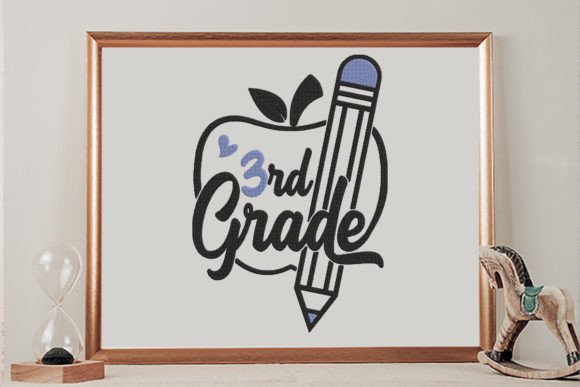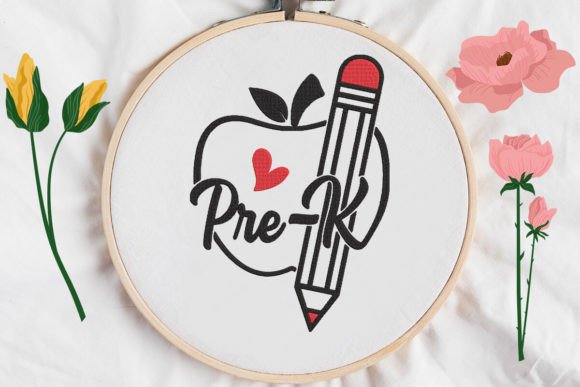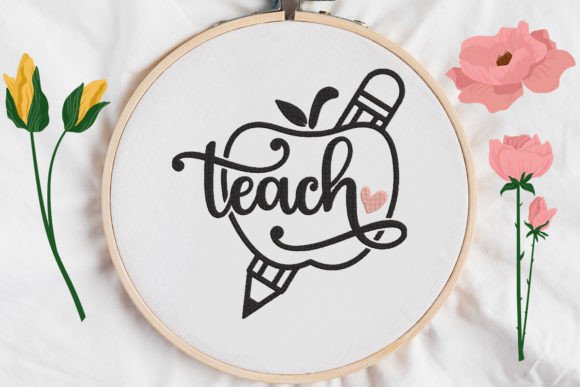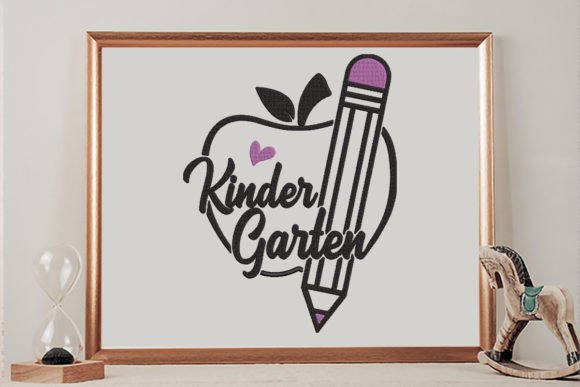
4th Grade Apple Pencil: Merch Design Review
As an embroidery designer specializing in commercial branding and small business merchandise, I approach every new machine embroidery design with a critical eye for production viability. When evaluating the 4th Grade Apple Pencil design for business use, my focus shifts immediately from simple aesthetics to functional application. While the product description highlights its charm for t-shirts and home decor, professional embroiderers must assess how this whimsical motif translates into branded assets like patches, staff uniforms, and retail merchandise. This review breaks down the technical and commercial potential of this design for shops, Etsy sellers, and apparel decorators looking to expand their Back To School or educational-themed offerings.
Visual Personality and Brand Alignment
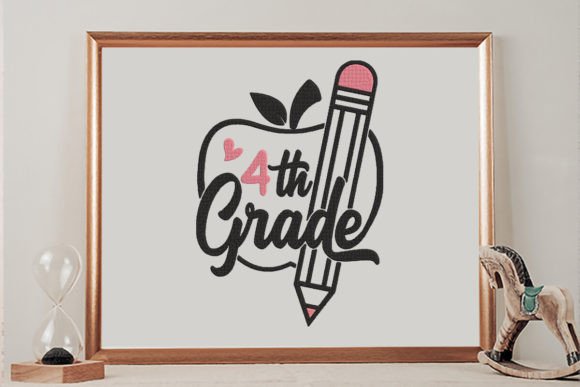
The first impression of the 4th Grade Apple Pencil is undeniably playful yet structured. For a small business, this balance is crucial. It avoids being overly juvenile, making it suitable for adult-oriented businesses that want to convey creativity, education, or nostalgia. In a commercial setting, this design reads as friendly and approachable rather than strictly academic. For a creative studio, tutoring center, or children’s boutique, this visual tone supports a brand identity that values warmth and accessibility.
However, "whimsical" can sometimes be a red flag for high-density commercial embroidery. The key question is whether the charm survives digitization at various scales. Does the apple retain its shape on a cap front? Is the pencil detail distinct enough for a sleeve logo? A successful embroidery file for business use must maintain clarity across different applications, ensuring the design looks intentional and professional rather than accidental or homemade.
Commercial Applications Beyond the Classroom
While categorized under Back To School, the 4th Grade Apple Pencil has significant versatility for year-round small business merch. Here is how I envision this design performing in real-world commercial scenarios:
- Educational Service Providers: Tutoring centers, after-school programs, and music teachers can utilize this as a chest logo on polo shirts. The specific "4th Grade" text acts as a niche identifier, perfect for businesses targeting that specific age demographic.
- Creative Retail & Boutiques: Stationery shops, art supply stores, or bookstores could use this as an embroidered patch on tote bags or denim aprons. It signals to customers that the business celebrates learning and creativity.
- Staff Uniforms & Aprons: For cafes or bakeries with an academic or vintage schoolhouse theme, this design works beautifully as an apron embroidery accent. Placed on the bib or pocket, it adds character without overwhelming the uniform's functionality.
- Event Merchandise: Summer camps, library events, or community workshops can apply this to caps or drawstring bags. The recognizable iconography ensures instant association with the event theme.
- Digital Products & Printables: Etsy sellers can incorporate this design into printable mockup bundles for other educators, provided they verify licensing for digital redistribution.
Technical Considerations for Production
Transitioning a whimsical design into a durable finished product requires careful technical evaluation. As an experienced digitizer and operator, I recommend scrutinizing the following aspects before running a production batch:
Stitch Density and Fabric Texture
The interaction between stitch density and fabric texture is paramount. If the 4th Grade Apple Pencil features dense fill stitches to create that "charming" look, it may cause puckering on lightweight performance fabrics often used in modern uniforms. Conversely, if the design relies on delicate outline stitches, it may disappear into textured fabrics like canvas tote bags or ribbed knits. Always test the design on the exact substrate intended for the final order. A design that looks crisp on screen can fail physically if the stitch type does not match the material weight.
Scaling for Patches and Caps
Cap embroidery presents unique challenges due to the curved surface and limited vertical space. You must verify if the 4th Grade Apple Pencil maintains legibility when resized for a hat front. Similarly, for embroidered patches, check the smallest viable size. Tiny lettering or intricate details within the apple or pencil may merge at smaller scales, creating a muddy appearance. If the design includes text elements, ensure they remain readable at 2 inches or less if you intend to use them as sleeve badges or collar accents.
Thread Colors and Contrast
Whimsical designs often rely on specific color palettes to achieve their effect. However, commercial merchandise frequently requires adaptation to match corporate colors or uniform standards. Evaluate the thread colors in the original file. Can the design hold up in monochrome? Does it work with high-contrast thread on dark garments? Before committing to a full color run, stitch a black-and-white test version. This reveals whether the design relies too heavily on color blocking for definition or if the underlying structure is solid enough to stand alone.
Impact on Business Value and Customer Trust
Using a well-executed machine embroidery design like 4th Grade Apple Pencil elevates perceived value. Embroidery inherently suggests permanence and quality compared to heat transfer vinyl or direct-to-garment printing. When a customer receives a handmade product or branded item featuring clean, professional stitching, it reinforces trust in the business. Sloppy registration, thread breaks, or poor sizing, however, can damage that trust instantly.
Furthermore, consistent use of specific design assets across multiple touchpoints—aprons, packaging, staff wear, and promotional gifts—builds visual recognition. This design serves as a versatile anchor point for businesses in the education or creative sectors, linking disparate products under a cohesive aesthetic umbrella. The "4th Grade" specificity also aids in SEO and niche marketing, helping customers find exactly what they are looking for in a crowded marketplace.
Essential Designer Notes for Safe Implementation
To ensure the 4th Grade Apple Pencil performs reliably in your shop, adhere to these professional best practices:
- Verify Specifications: The product description mentions adding charm but does not list exact stitch counts, hoop sizes, or formats. Always check these technical specs in the file metadata before purchasing or producing. Ensure the hoop size matches your equipment capabilities.
- Confirm Commercial Licensing: This is non-negotiable for business use. Verify that the license permits selling finished embroidered items, creating patches for sale, or using the design in client work. Do not assume a personal-use license covers commercial embroidery projects.
- Stabilizer Selection: Match your stabilizer to both the design density and the garment. A whimsical design with variable stitch directions may require cut-away stabilizer even on stable fabrics to prevent distortion during washing.
- Create Approval Mockups: Before stitching 50 aprons, create a digital or physical sample. Show the client or stakeholder exactly how the 4th Grade Apple Pencil looks at the intended size and placement. Manage expectations regarding color matching and detail retention.
- Test Wash Durability: If the merchandise will be laundered frequently (like uniforms or towels), wash-test your sample. Whimsical designs with long satin stitches or open fills can snag or pull apart in industrial wash cycles. Adjust underlay or top stitch parameters if durability issues arise.
The 4th Grade Apple Pencil offers genuine potential for small business branding, provided it is treated as a commercial asset rather than just a decorative element. By respecting the technical requirements of machine embroidery and aligning the design’s playful nature with professional production standards, you can transform this charming graphic into a valuable tool for customer engagement and brand consistency. Always prioritize testing and verification to ensure your custom apparel and merchandise reflect the quality your business stands for.